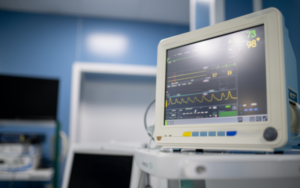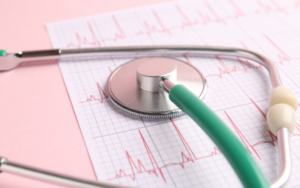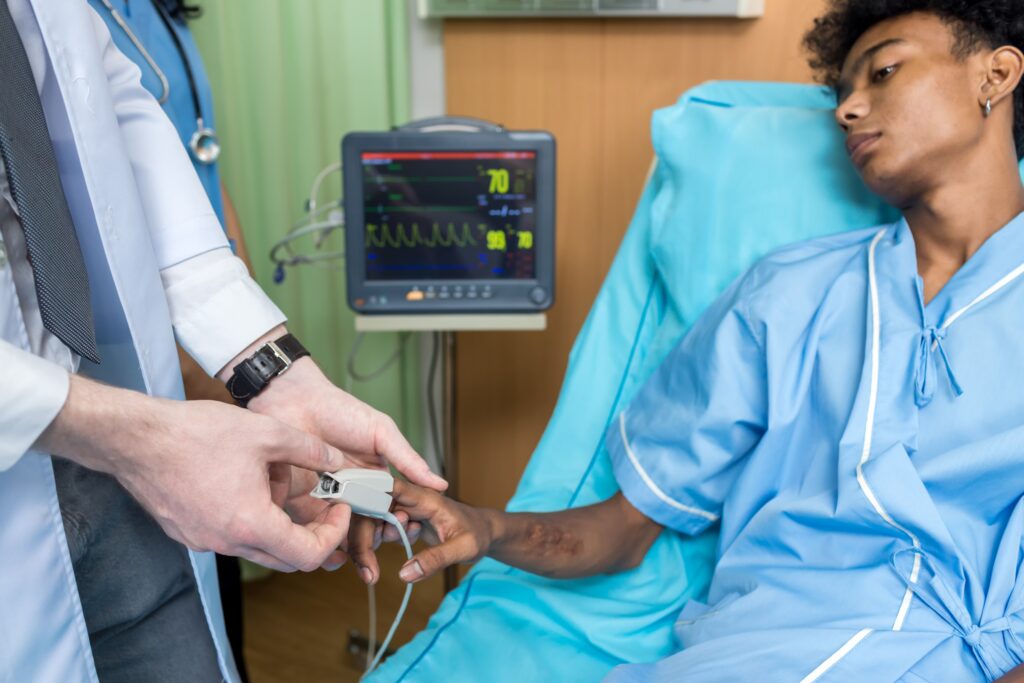
A primary health issue of concern across the world, and the cause of deaths among millions of people annually, is cardiovascular diseases. These are coronary artery disease, rheumatic heart disease and cerebrovascular disease. A lot of them require early detection and constant monitoring. Advanced cardiac monitoring devices provide real-time and uncomplicated data that assists in making decisions that are better. The instruments are readily available and inexpensive compared to the outdated devices. Tools to support safe monitoring are the beginning of modern care. Devices modernize and improve health results.
The Dynamic Technology in Accurate Monitoring
Stakes desire to have a vivid understanding of what happens in the heart rate, and the current tools assist in easily providing a view of it. These watches have advanced technology that monitors a change in heart rate, rhythm and blood flow. They incorporate miniature sensors that capture data and processors that convert the signals to usable information.
The machines are also related to phones or cloud systems to be accessed easily. People widely use heart monitoring solutions daily. Such systems promote safe care and early detection. They are superior to the traditional techniques, which present brief glimpses of the heart condition. The technology gives a more profound knowledge of how the heart acts during rest and activity.
Wearable Devices on the Rise in Heart
The wearable devices have become the norm since no one can be disturbed when it comes to constant monitoring. They are portable, easy, and long-lasting. They are able to monitor skin ECG, oxygen, and blood pressure.
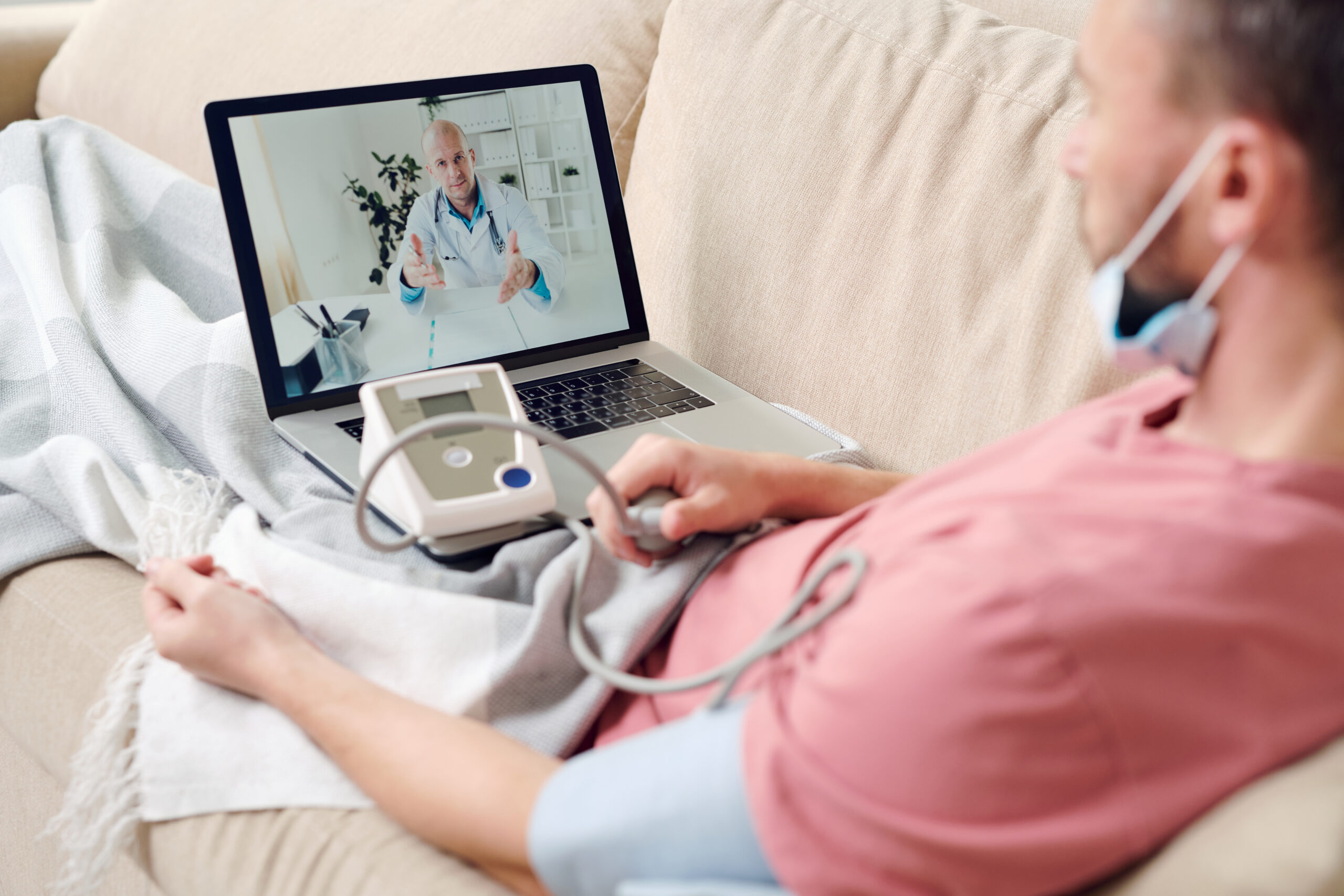
They operate PPG, RF waves or galvanic contact sensors. Live tracking enhances the possibility of early detection of abnormalities. Telehealth monitoring facilitated by such technology assists doctors in checking patients without their visit to the hospital. Wearables are also economical as they substitute the hospital machines that are very expensive.
Modern Applied Technologies in Monitoring Devices
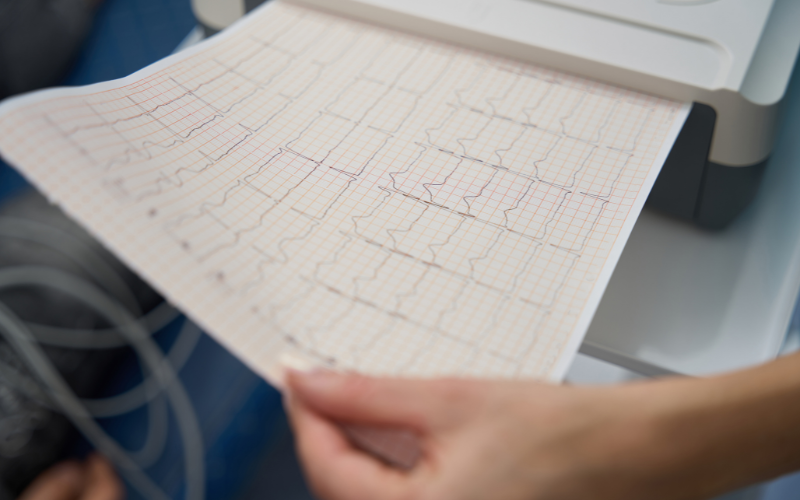
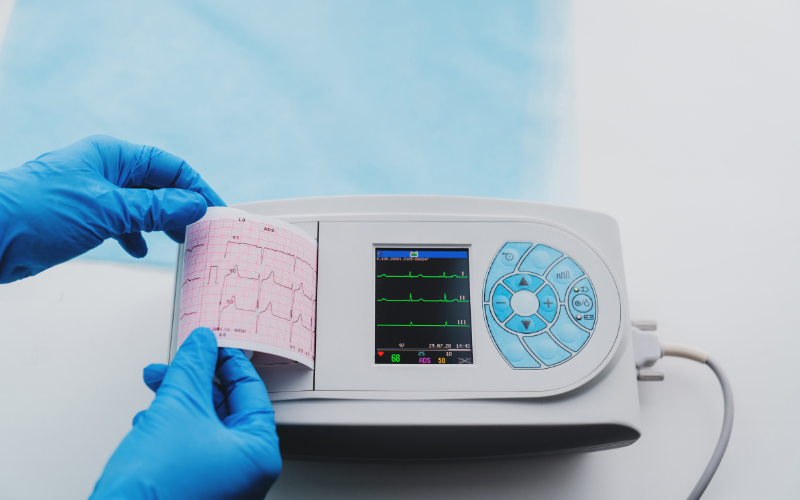
The sensors, processors and software are cooperative in most devices. A receptor detects the changes in the heart activity. The signals are converted to quantifiable output using a transducer. The data is then converted into graphs or numbers using software.
Some devices make use of AI to detect abnormal patterns. AI is able to analyze long-term data to identify risks that were not noticeable. New sensors include numerous sensors in order to measure numerous parameters simultaneously. They do not give isolated readings, but provide a picture in their entirety.
The long-term records can be used to assist physicians in developing superior treatment plans. The constant observation is particularly beneficial to individuals who have issues with the heart.
Deep Monitoring Implantable Devices
ICDs and pacemakers are implantable devices used by individuals with advanced rhythm disorders. The pacemakers provide little signals that adjust beat irregularities and/or slow beat. ICDs have the capability to administer a shock to end potentially harmful rhythms. Implants such as cardiac loop recorders detect ECG data 24 hours a day. This facilitates the diagnosis of arrhythmia at an early stage. A large number of these implants also integrate with telehealth sites.
The Importance of Real-Time Tracking
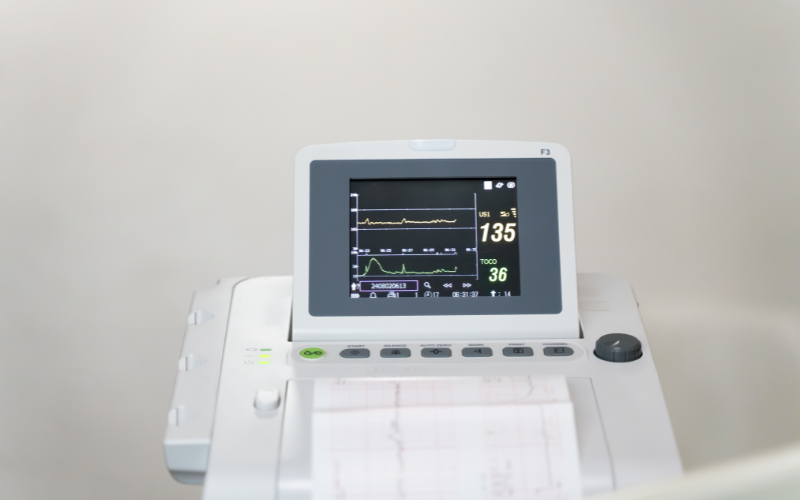
Emergencies can be avoided by means of real-time tracking. It assists in the prevention of complications such as AFib in its early stages. It aids high-risk patients through early notification. Individuals who have had a heart attack or stroke in the past are the beneficiaries of such alerts.
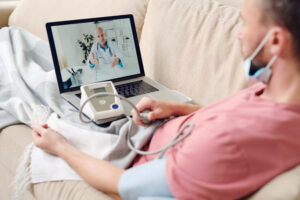
Long-term records enable doctors to develop individual care plans. Most of the heart monitoring solutions provide remote access to enable users to seek assistance at home. They also help in saving on frequent visits to the hospital.
Cardiac Monitoring Technology Future
The predictions and early detection will improve in the next few years AI will make it possible. The devices of the future will be less bulky and comfortable. They will also provide better readings. In the near future, wearables can monitor more cardiovascular wellness-related biomarkers. The changes will ensure that the heart care is quick, easy and more reliable. Technology will also support the premature intervention and improved results.
Read more: Tips To Choose Heart Monitoring Solutions
Conclusion
Technology is now able to offer heart treatment to all people with the help of modern equipment. Constant monitoring promotes prompt diagnosis and more effective treatment. Sophisticated instruments lead to better choices and enhance longer-term welfare. Advanced cardiac monitoring devices have been confirmed to improve the heart health of many people who have exhibited a lot of trust in them. People can consider using the services provided by Heartnet India in case of trustworthy solutions.