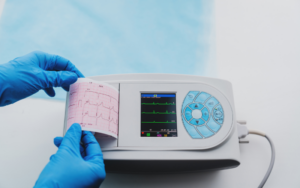
In today’s era of digital health, timely detection of heart rhythm abnormalities is more important than ever. At Heartnet, we recognise the critical intersection between heart health monitoring and preventive care. One of the most transformative tools in this domain is remote ECG diagnostics — enabling real‑time cardiac monitoring, even from the comfort of a patient’s home. In this post, we’ll explore how remote ECG reporting and diagnostics are helping prevent two of the most feared cardiac events: stroke and heart attack.
What are remote ECG diagnostics and why they matter
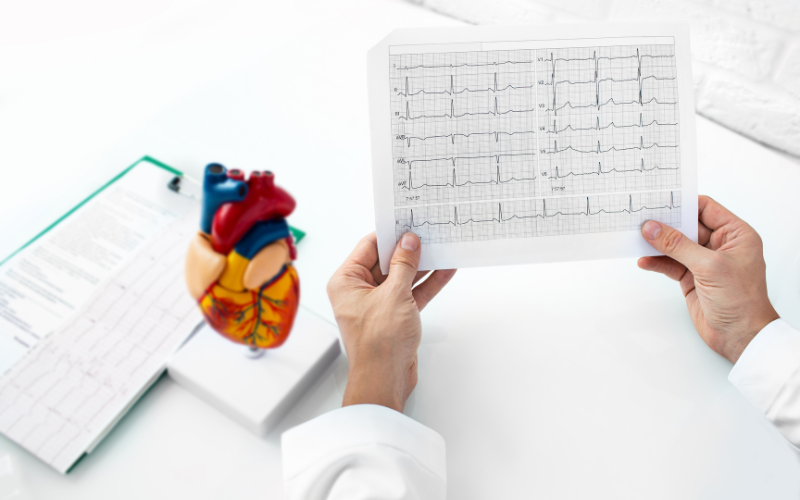
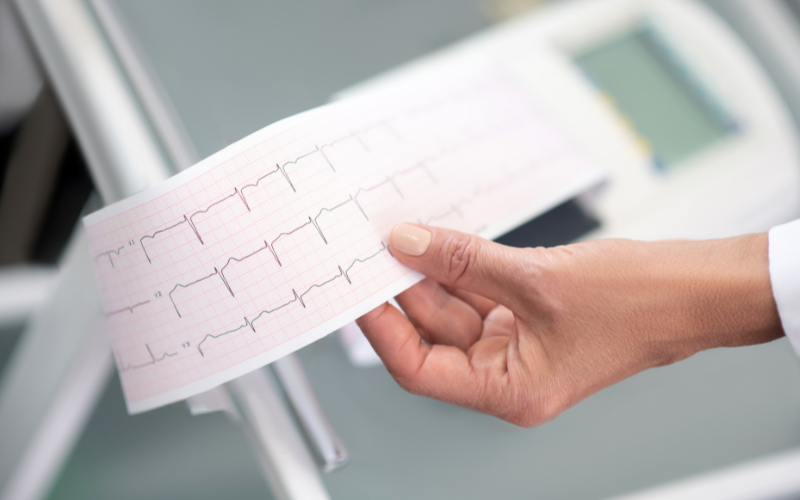
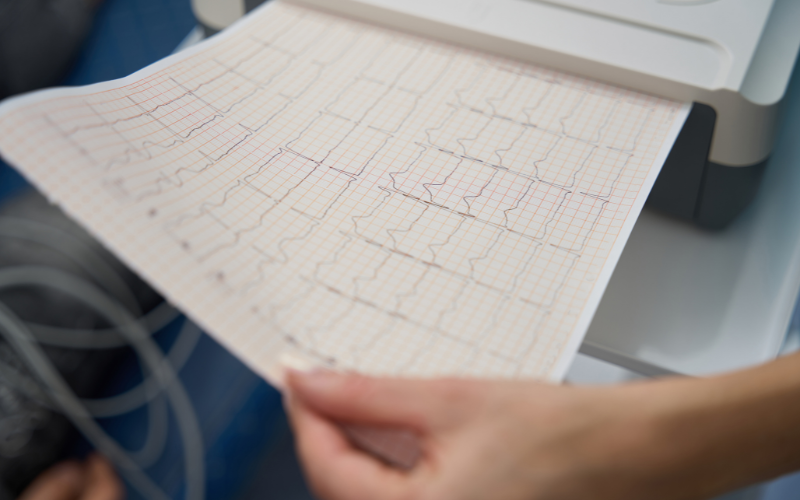
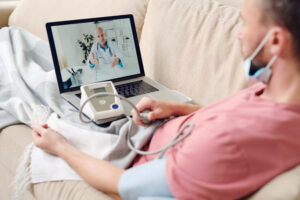
Remote ECG diagnostics refers to the use of electrocardiogram (ECG) recordings collected outside of traditional hospital settings (for example via wearables, smartphone‑connected monitors, or remote monitoring platforms) and transmitted to specialists for evaluation. Coupled with robust ECG reporting systems, these diagnostics empower clinicians to analyse heart rhythms, detect arrhythmias or ischemic warning signs early, and intervene before major events occur.
In the context of cardiovascular risk, early detection is key. Arrhythmias such as Atrial Fibrillation (AF) increase stroke risk significantly, while abnormal ECG patterns may signal risk of myocardial infarction or other heart‑attack pathways. According to a recent review, remote and wearable ECG devices show strong clinical utility in detecting such pathologies.
By enabling continuous or frequent rhythm monitoring, remote ECG diagnostics open up a new frontier in preventive cardiology — shifting the emphasis from reaction (treating after an event) to prevention (detecting before an event).
How remote ECG monitoring is helping prevent strokes and heart attacks
Detecting silent arrhythmias
A major mechanism by which strokes occur is undetected atrial fibrillation (AF). In many cases, AF is asymptomatic and only discovered after a stroke. Remote ecg diagnostics allow for extended rhythm monitoring (beyond the few hours of a standard ECG) to capture these silent episodes. For instance, long‑term ECG monitoring is now recommended for patients who have suffered a cryptogenic stroke or transient ischemic attack (TIA).
Greater detection of AF means earlier anticoagulant therapy, which significantly reduces stroke risk. Indeed, AI‑enabled remote cardiac monitoring systems have shown promise in reducing the high stroke risk associated with AF.
Monitoring ischemic risk and heart attack warning signs
Beyond rhythm disorders, remote ECG monitoring can flag patterns suggestive of myocardial ischemia or evolving coronary disease. Advanced diagnostics combine ECG signal analysis with cloud‑connected platforms and artificial intelligence to stratify risk and prompt intervention. For example, research has shown that AI‑ECG algorithms can detect underlying cardiac dysfunction and assist in early intervention for heart failure or reduced ejection fraction.
Supporting timely intervention
With remote ECG diagnostics and robust ECG reporting frameworks, data flows seamlessly from patient to clinician. In real‑world practice, this means earlier identification of risk, faster decision‑making, and targeted preventive therapies (medication, lifestyle changes, further diagnostic tests) before major events like stroke or heart attack occur.
Enabling patient‑centric, at‑home monitoring
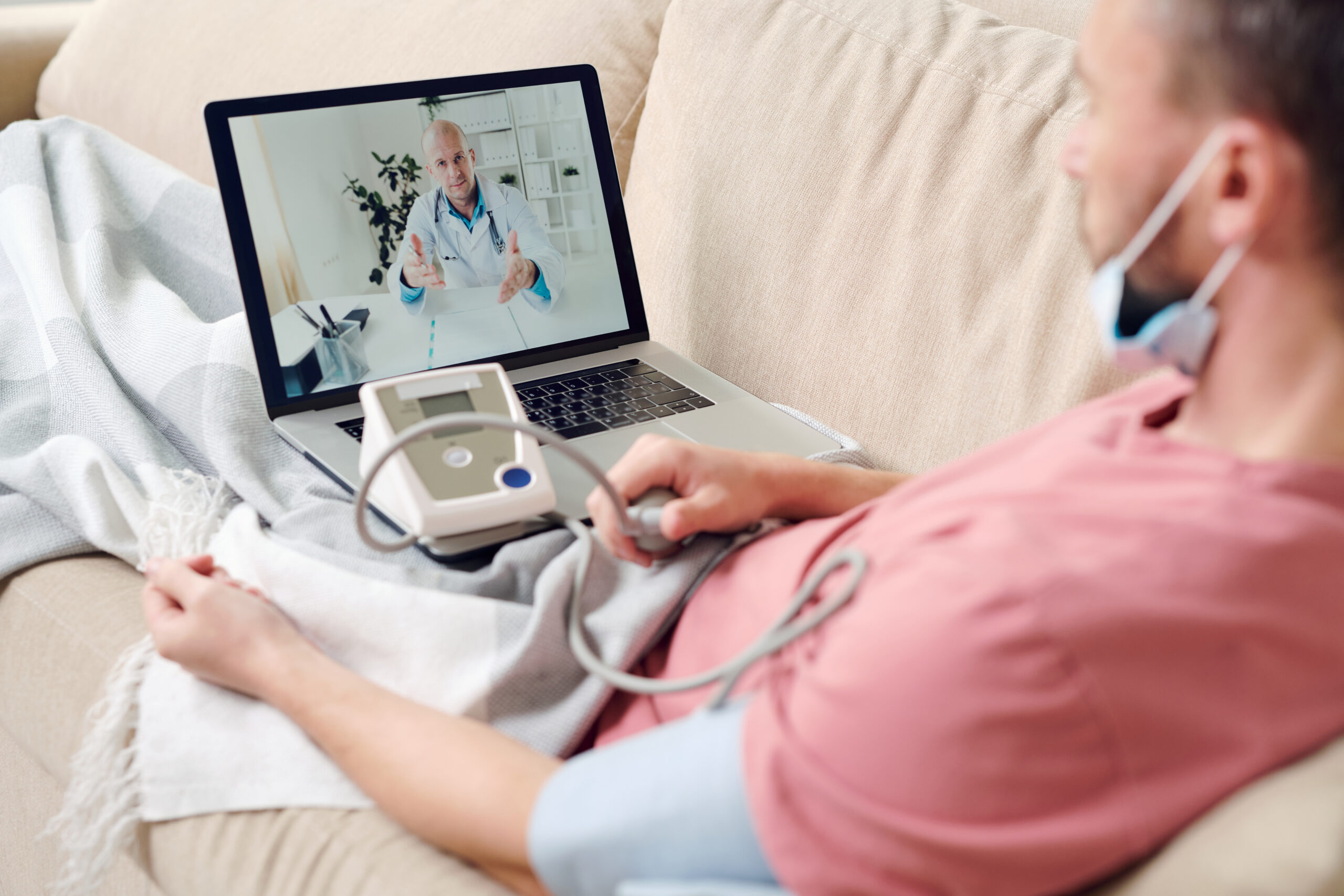
Traditional ECG monitoring often requires hospital visits, short windows of data (e.g., 24‑48 hour Holters), and may miss intermittent problems. Remote systems remove this barrier by enabling extended duration monitoring, often in the patient’s daily environment. As one article notes: “long‑term continuous cardiac monitoring is undeniably advantageous … hospitals encounter several significant challenges while implementing this practice.”
Practical advice: How healthcare providers and patients can leverage remote ecg diagnostics
Here are key steps and considerations to maximise the benefit of remote ECG technologies and reporting in stroke and heart‑attack prevention:
- Identify the right patients – Those with risk factors (e.g., hypertension, diabetes, prior TIA/stroke, known coronary disease, family history) should be considered for remote monitoring and ECG reporting programs.
- Select appropriate monitoring duration – Intermittent or short‑term ECGs may miss transient arrhythmias. Longer term monitoring (days, weeks) improves detection.
- Ensure high‑quality ECG reporting workflows – Raw ECG data needs expert review and interpretation. Robust reporting systems, clear alerts, and integration into patient records are vital.
- Utilise analytics and AI when appropriate – Analytical tools can support pattern detection and risk stratification, enabling early intervention. (For example, AI‑ECG research shows enhanced predictive power for arrhythmias and ischemic risk.)
- Educate and engage patients – Remote monitoring works best when patients understand the purpose, are comfortable with the device, and recognise when to seek help.
- Connect to follow‑up care – Detection is only the first step. ECG reporting must connect to clear pathways for follow‑up diagnostics, medication review, lifestyle interventions, or specialist referral.
- Monitor outcomes and refine protocols – Regularly review the performance of remote monitoring programs: detection rates, reduction in events, patient adherence, cost‑effectiveness. This continuous improvement loop builds trust and authority.
By embedding remote ecg diagnostics into a holistic preventive‑cardiology pathway, patients and clinicians gain a powerful tool against stroke and heart‑attack risk.
Read more: The Role of Heart Monitoring Solutions in Modern Heart Health
Industry insights & real‑world success stories
The growth of remote ECG technologies is proving transformative. For example:
- A review of remote and wearable ECG devices concludes that such systems have “clinical utility in diagnosing cardiac pathologies” and hold promise for preventive care.
- A leading publication on AI‑driven remote ECG monitoring states that sustained arrhythmias such as AFib affect millions globally and that remote systems allow early diagnosis and improved outcomes.
- For stroke‑care in particular, a resource notes that long‑term cardiac monitoring leads to a 3‑7× increase in detection of AF in post‑TIA patients, which translates into improved outcomes.
For Heartnet, these trends point to a significant opportunity: by providing high‑quality ECG reporting services, leveraging remote diagnostic platforms and connecting with preventive‑cardiology workflows, the brand can position itself at the forefront of modern cardiovascular care.
Conclusion
In the realm of cardiovascular health, prevention is far more powerful than reaction. By harnessing remote ecg diagnostics, clinicians and patients gain access to earlier detection, continuous monitoring, and targeted intervention all of which can reduce the risk of severe outcomes like stroke and heart attack. For brands like Heartnet, mastery of ECG reporting technology and remote monitoring workflows means not just diagnostics, but real impact in patient lives.
As a takeaway: consider how remote ECG platforms fit into your healthcare pathway, ensure strong reporting and follow‑through mechanisms, and view monitoring as part of a preventive strategy rather than a one‑off test. With the right systems in place, remote ECG diagnostics become a cornerstone of cardiac‑event prevention.