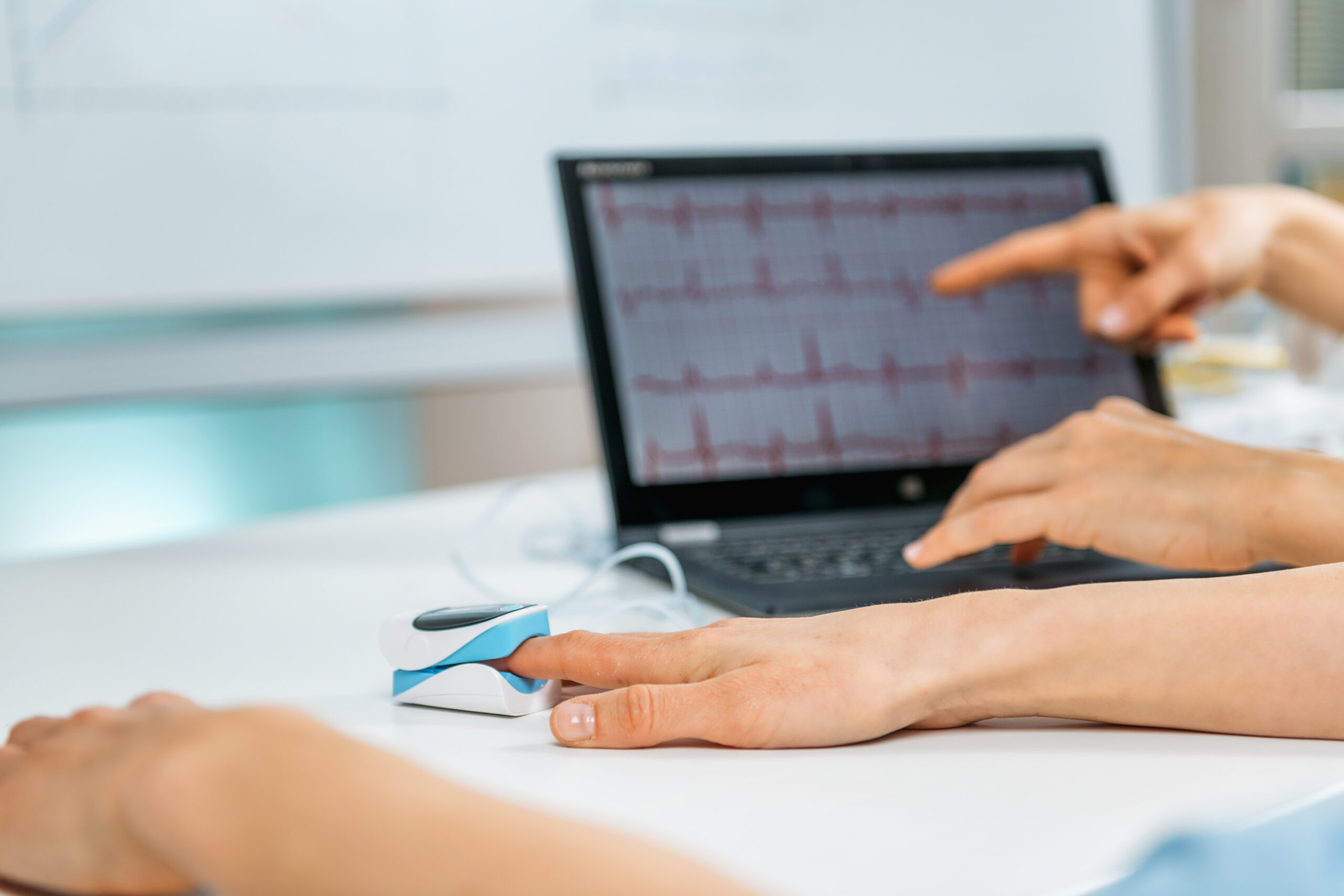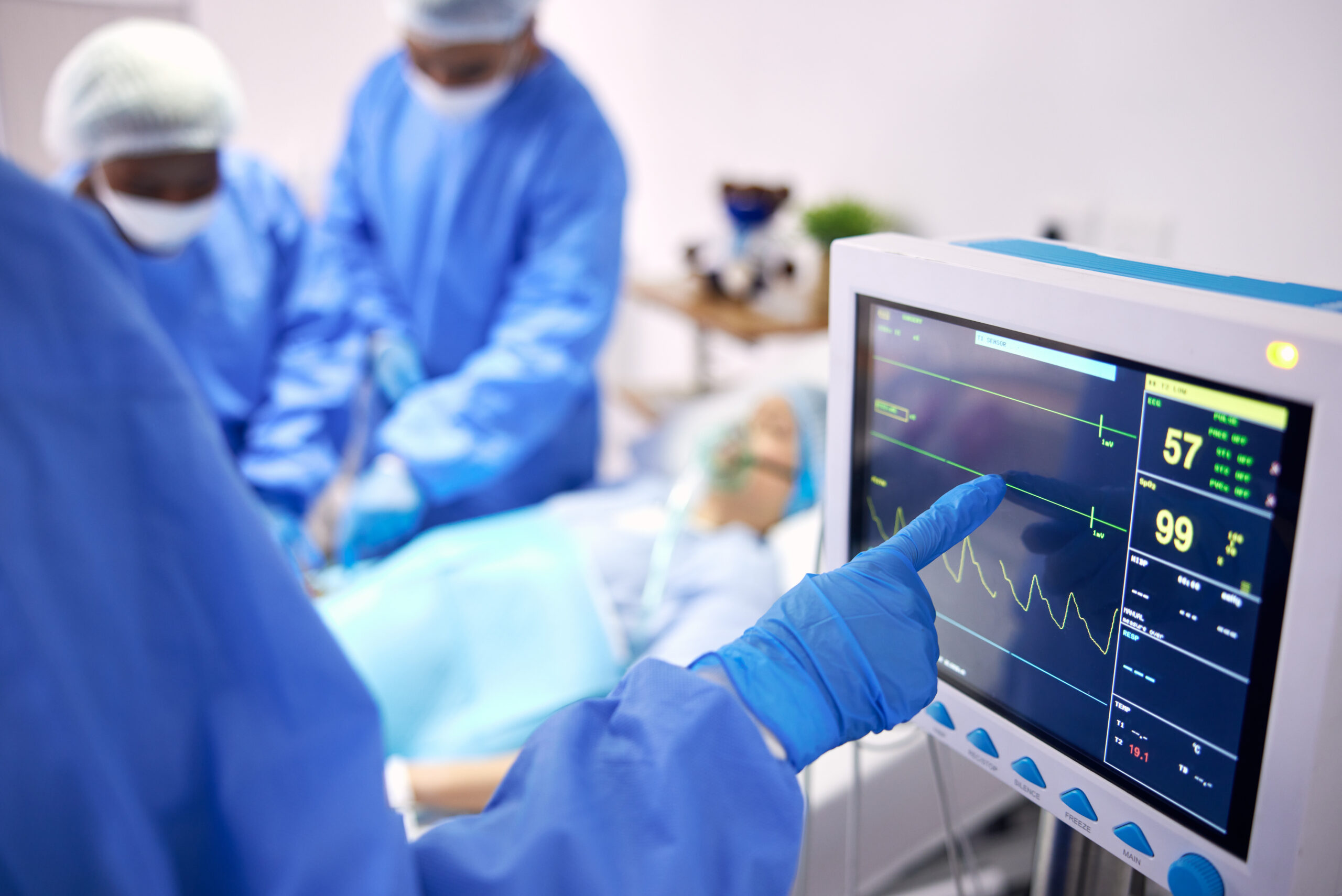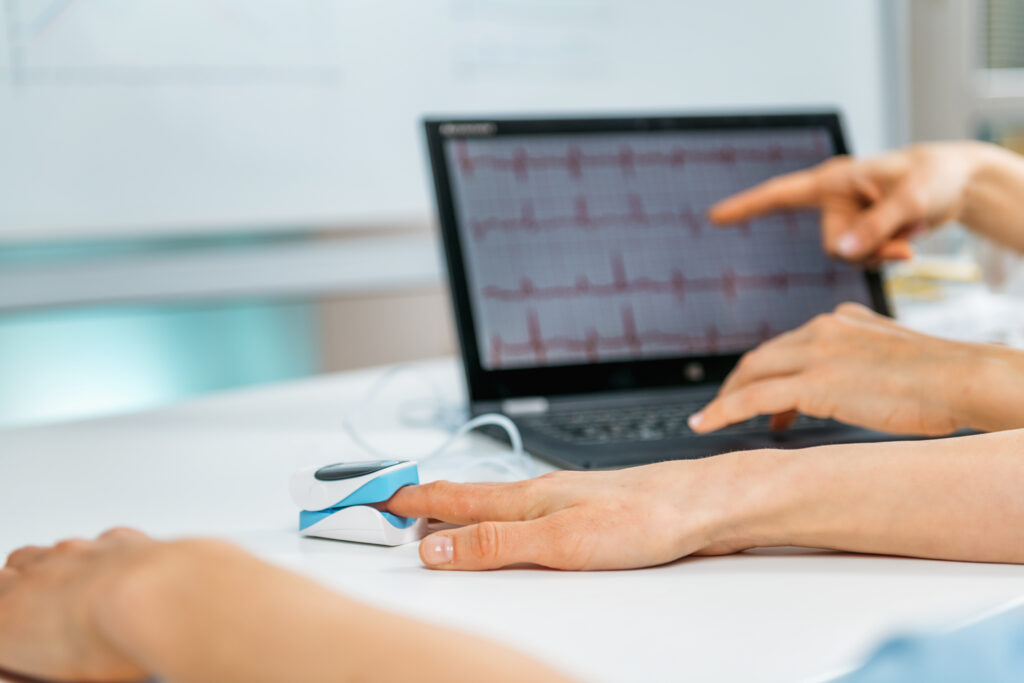
An accurate ECG diagnosis means timely treatment for patients, while overlooking ECG findings might be devastating. Unfortunately, this is the bitter reality since the accuracy in interpreting ECG findings is not guaranteed. Experienced and well-trained individuals might fail to notice certain abnormalities, particularly when under pressure.
Therefore, misinterpretation of ECG findings is a common problem.
Where ECG Misinterpretation Actually Happens
Here’s how it goes. The electrocardiogram report is an illustration of the electrical impulses generated by the heart, but not all of them are always apparent on paper. While some deviations may be quite conspicuous, others can easily go unnoticed.
A little difference in the pattern, an insignificant increase in a reading, or even a subtle disturbance could mean that something is wrong. However, in a fast-paced medical setting, such things tend to get overlooked.
Tiredness, work overload, and stress can affect anyone. Physicians and lab technicians have more than one case to attend to at once, making errors inevitable.
The Hidden Risk of “Normal” Reports
The fact is that most often, ECG mistakes are not recognized as such because they can present themselves without showing any visible signs of being wrong. They may be called normal despite the small problem.
The patient is sent home feeling alright, while in fact, the situation is worsening. In some instances, signs occur much later on, leading to an otherwise easily treatable condition becoming an emergency case.
It is here that the danger lies, not in obvious mistakes, but in the quiet ones.
When Experience Alone Isn’t Always Enough
The problem is that even highly experienced physicians find it difficult to analyze ECGs. Why? Because all cardiac rhythms are unique. Some of them may seem perfectly normal but still pose certain danger for a patient, while some other heart rhythms may look like a serious problem, but in fact, they aren’t.
That is where difficulties in analysis lie. Experience certainly counts, but not always helps. And it is here that another aspect comes into play. Analysis is a guarantee of precision, regardless of circumstances.
Why Speed Alone Isn’t Enough
It is quite tempting to think that by making the report faster, we can resolve the issue. However, faster but less accurate reporting will not lead us anywhere.
Too quick an assessment conducted in the absence of the proper analysis may fail to reveal important symptoms. Therefore, along with the necessity to decrease the waiting period, it is important to conduct an analysis of what happens.
Here, instant ECG interpretation proves to be extremely effective.
How Instant Interpretation Reduces Errors
Technology does not fatigue. Neither does it rush into cases nor become careless after a whole day of work.
Instant ECG interpretation technology is built to analyze patterns consistently. It detects anomalies, draws attention to deviations, and helps healthcare professionals make their diagnoses more precise.
It does not substitute the doctors, but complements them in performing the task. This makes for a two-level check, which minimizes the risks of overlooking important details.
By this stage of the transformation, ECG diagnosis becomes more reliable since it now involves double-checking. Solutions provided by Heartnet India are facilitating the process as they provide timely and precise diagnostic results that do not sacrifice clinical quality.
Read also: Understanding the Technology Inside Advanced Cardiac Monitoring Devices
Real-World Impact on Patient Care
Fewer errors mean better results, as straightforward as that sounds.
It means that patients will have better explanations, quicker decision-making, and increased certainty about the diagnosis. For doctors, it would mean prompt actions for any kind of treatment or testing.
At the same time, there will be more trust since patients will understand that their documents undergo a thorough analysis.
In an emergency situation, it may even save someone’s life.
Bridging the Gap Between Detection and Action
The identification of a problem is merely one step of the whole process; what happens after that is equally important. Time lags between the identification of an issue and its resolution may have consequences on the results, particularly in cardiac diseases.
Through efficient interpretation, however, that becomes less of an obstacle. There is no need for physicians to deliberate on their interpretations or take time to confirm the accuracy of their analyses. They can jump immediately into the decision-making phase.
The Pressure on Modern Healthcare
Today’s health care systems have been dealing with an increasing number of patients. Due to increased cases of diseases related to the heart, there is a constant need for prompt and accurate diagnostics.
Under these circumstances, it becomes increasingly difficult to rely solely on manual interpretations. Even the most skilled specialists require additional assistance once the number of patients increases.
Thus, innovations that involve instant ECG interpretation have become crucial.
Final Thoughts
An ECG diagnosis cannot be taken lightly. Although human skills are essential, there is always the possibility of making mistakes, particularly when under pressure.
The answer lies not in replacing humans but in assisting them. By providing technology that facilitates correct and instant ECG interpretation, the likelihood of incorrect diagnosis becomes negligible.
As medicine progresses, the emphasis has been placed on developing efficient systems. And thanks to emerging technologies such as Heartnet India, a more accurate future in diagnosing heart-related issues appears imminent.
FAQs
1. Why do ECG reports sometimes get misread?
ECG interpretation requires careful analysis, and factors like workload, fatigue, and subtle abnormalities can lead to occasional misreading.
2. How does instant ECG interpretation help?
It provides real-time analysis, highlights potential issues, and supports doctors in making faster and more accurate decisions.
3. Is technology replacing doctors in ECG diagnosis?
No, it works alongside doctors as a support system, improving accuracy while still relying on expert medical judgment.
Get our location https://maps.app.goo.gl/FVwiPXxM5GT5nAc59