In recent years, remote cardiac monitoring has transformed how heart health is managed, especially in a fast-paced and increasingly digital healthcare environment. With the rise of remote diagnostics solutions, patients no longer need to rely solely on in-clinic visits for routine heart monitoring. Instead, wearable devices and portable ECG machines are enabling continuous, real-time insights into cardiac health from virtually anywhere.
Organizations like Heartnet India, operating within the healthcare and diagnostics space, are contributing to this shift by supporting accessible and efficient monitoring technologies. As cardiovascular diseases continue to rise globally, the integration of wearable technology into remote cardiac monitoring is becoming more than a convenience—it’s a necessity.
What is Remote Cardiac Monitoring and Why It Matters
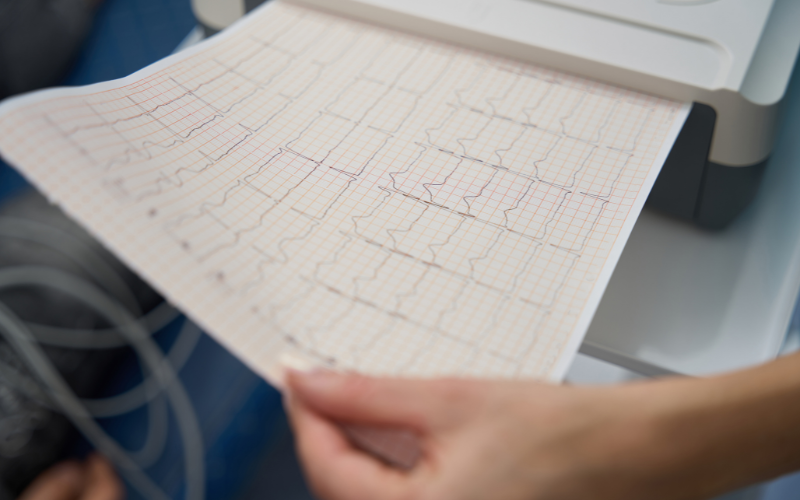
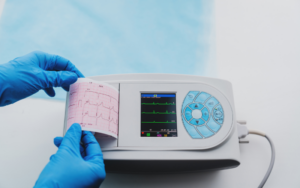
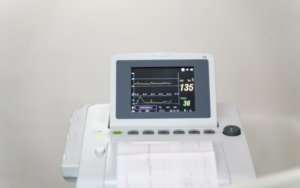
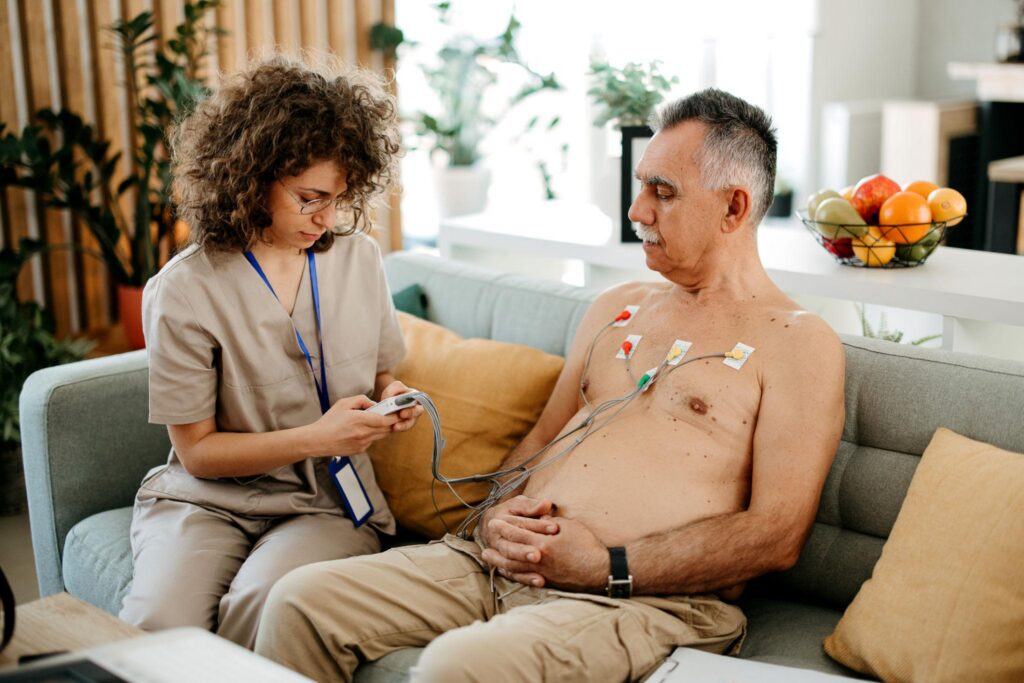
Remote cardiac monitoring refers to the use of digital tools and devices to track heart activity outside traditional healthcare settings. These solutions include wearable devices like smartwatches, patches, and portable ECG machines that record heart rhythms and transmit data to healthcare professionals in real time.
Why It’s Important:
- Early Detection: Continuous monitoring helps detect irregularities like arrhythmias before they become critical.
- Convenience: Reduces the need for frequent hospital visits.
- Improved Outcomes: Enables timely medical interventions.
- Patient Empowerment: Encourages individuals to actively track their heart health.
According to research published by organizations such as the American Heart Association, remote monitoring has shown significant improvements in managing chronic heart conditions.
How Wearable Devices Are Transforming Cardiac Care
Wearable devices have become central to remote cardiac monitoring, offering both patients and healthcare providers a seamless way to stay connected.
Key Innovations:
- Continuous ECG Monitoring: Modern wearables can record ECG data throughout the day.
- AI-Powered Insights: Advanced algorithms analyze heart data for anomalies.
- Cloud Integration: Data is securely stored and shared with medical professionals.
- Real-Time Alerts: Immediate notifications for abnormal readings.
These technologies are a cornerstone of modern remote diagnostics solutions, making heart care more proactive than reactive.
Practical Applications and Benefits for Patients
The real-world applications of remote cardiac monitoring are extensive and impactful.
For Patients:
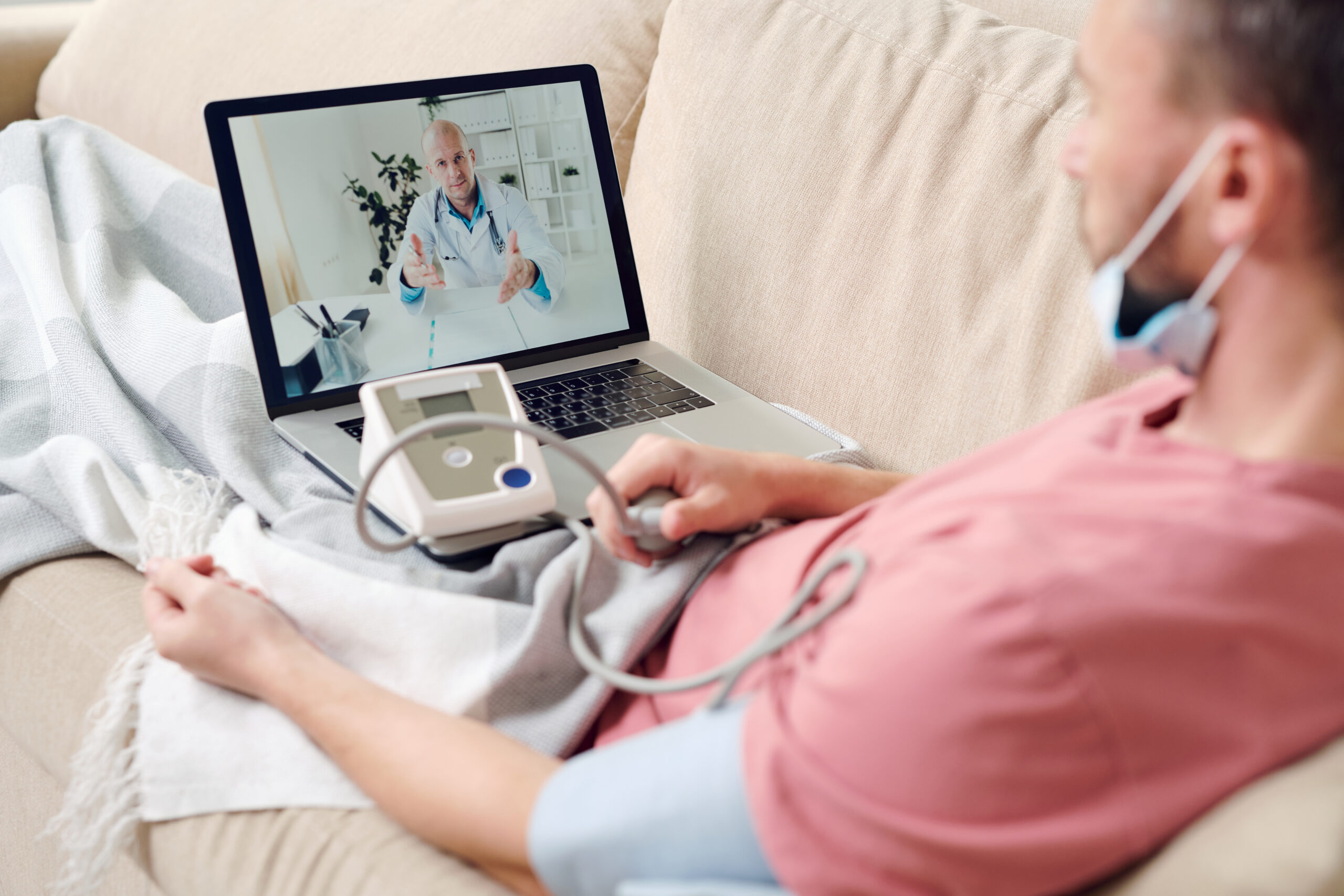
- Home-Based Monitoring: Patients can use a portable ECG machine without clinical assistance.
- Reduced Hospital Visits: Especially beneficial for elderly or rural populations.
- Peace of Mind: Continuous tracking reduces anxiety about unnoticed symptoms.
For Healthcare Providers:
- Better Data Accuracy: Continuous streams of data provide a fuller picture than periodic tests.
- Efficient Care Delivery: Enables prioritization of high-risk patients.
- Scalability: Supports monitoring of multiple patients simultaneously.
Companies like Heartnet India are working toward integrating such solutions into everyday healthcare, making advanced diagnostics more accessible.
Read more: The Role of ECG Monitoring in Preventing Sudden Cardiac Arrest
Industry Insights and the Future of Remote Cardiac Monitoring
The future of remote cardiac monitoring lies in deeper integration of technology, data, and patient care.
Emerging Trends:
- AI and Predictive Analytics: Anticipating cardiac events before they occur.
- Miniaturization of Devices: Smaller, more comfortable wearables.
- Integration with Telemedicine: Seamless virtual consultations backed by real-time data.
- Personalized Healthcare: Tailored treatment plans based on continuous monitoring data.
Industry leaders and healthcare innovators are increasingly focusing on refining remote diagnostics solutions to enhance accuracy, affordability, and accessibility.
Conclusion
Wearable devices are redefining how heart health is monitored, making remote cardiac monitoring an essential component of modern healthcare. From enabling early detection to improving patient outcomes, these technologies are bridging the gap between patients and providers in unprecedented ways.
As organizations like Heartnet India continue to contribute to this evolving landscape, the future of cardiac care looks more connected, efficient, and patient-centric. Embracing these innovations not only enhances healthcare delivery but also empowers individuals to take control of their heart health—anytime, anywhere.
FAQ
What is remote cardiac monitoring?
Remote cardiac monitoring allows me to track a patient’s heart activity in real time using wearable or portable ECG devices without requiring hospital visits.
How do wearable ECG devices work?
They continuously record heart signals and transmit data to healthcare providers, enabling early detection of abnormalities.
Is remote cardiac monitoring available in India?
Yes, solutions like those we provide at Heartnet India are expanding access across urban and rural regions.