Heart-related symptoms don’t always arrive dramatically. Sometimes, they appear as mild discomfort, shortness of breath, unexplained fatigue, or brief palpitations that pass quickly. This is why many people end up ignoring them, while others delay testing because they feel “mostly fine.” Searching for an ECG diagnosis near me at the right time can make a critical difference, as ECG readings often reveal early warning signs long before symptoms become serious.
Step 1: Understanding What an ECG Test Actually Measures
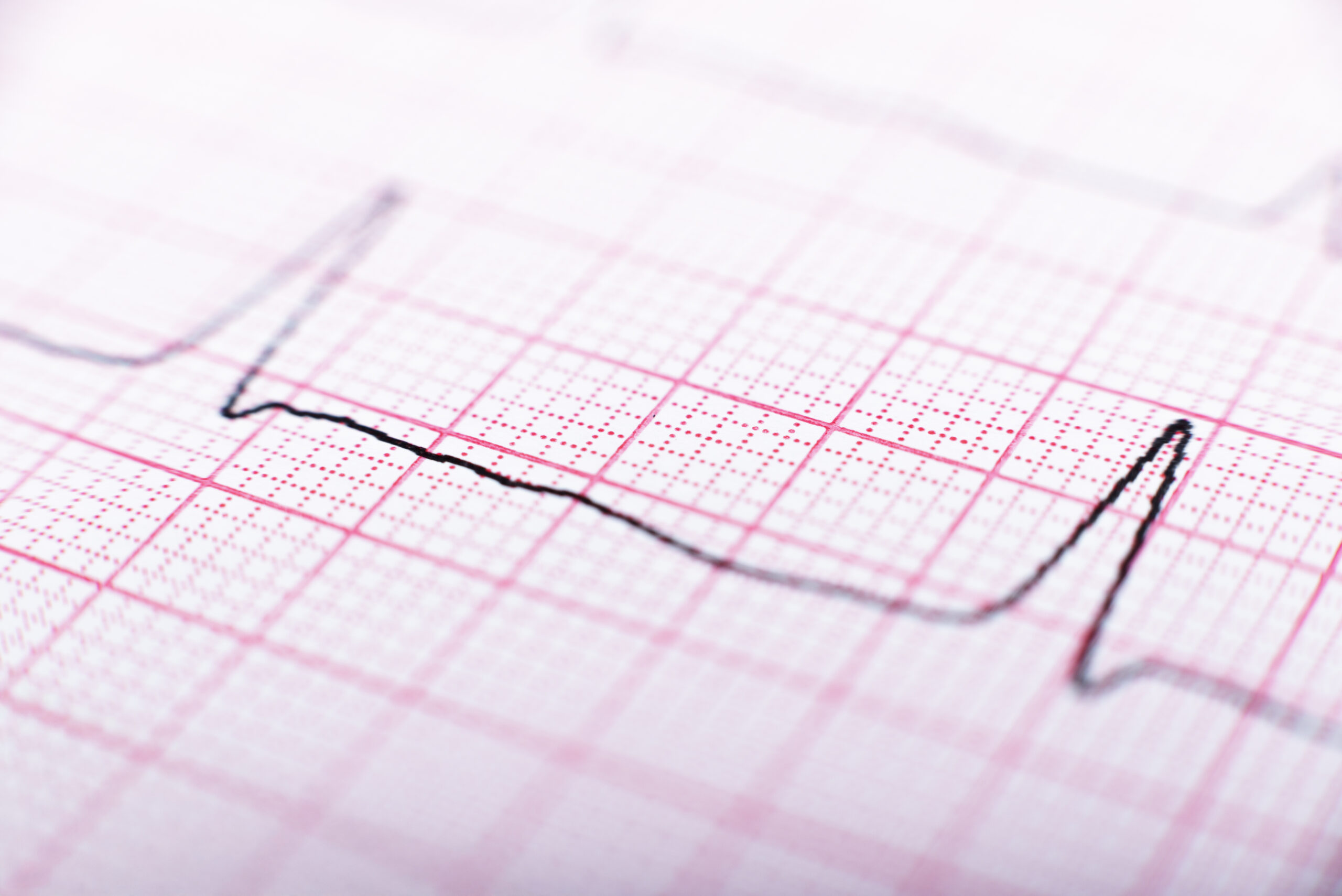
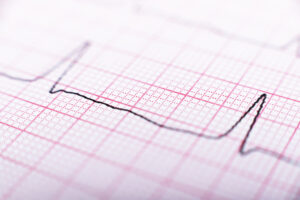

An ECG, or electrocardiogram, records the electrical activity of the heart. Every heartbeat creates electrical signals that travel through the heart muscle, and an ECG captures these signals as P wave patterns.
This is a critical skill for any healthcare provider, as it helps them understand whether the heart rhythm is regular, too fast, too slow, or irregular.
For patients, this means hospital ECG monitoring doesn’t just show how the heart looks; it shows how it behaves. This further helps doctors understand different types of heart blocks, around which they can create a complete heart block treatment tailored to the patients’ conditions, genuinely saving lives.
Step 2: What ECG Readings Can Indicate About Your Heart Health
ECG readings are more informative than many people realise. They help in recognizing heart symptoms early, which can be life-saving, especially with severe forms of heart disease.
While the clinical presentation varies widely from subtle signals to dramatic and life-threatening manifestations, most of these patterns indicate:
- Abnormal heart rhythms that may increase the risk of complications
- Signs of reduced blood flow to the heart
- Previous or ongoing heart muscle stress
- Electrical conduction issues that may worsen over time
Nowadays, most hospitals in India use ECG readings as a screening tool to identify cardiac concerns early, allowing doctors to decide whether further evaluation or hospital ECG monitoring is required.
Step 3: Why Timing Matters More Than Most Patients Think
Heart rhythm issues can be intermittent. A person may feel normal during most of the day and experience symptoms only for a brief period of time. As you delay your ECG testing, it increases the risk of missing these episodes, which have the potential to turn into something worse.
According to some medical data, early detection of heart disorders significantly improves outcomes, especially for rhythm-related conditions.
This is why doctors advise patients not to wait for symptoms to worsen before seeking an ECG diagnosis near me. Acting early often means simpler treatment and fewer complications, which also means faster recovery and success rate in treatment.
Step 4: When Hospital ECG Monitoring Becomes Necessary
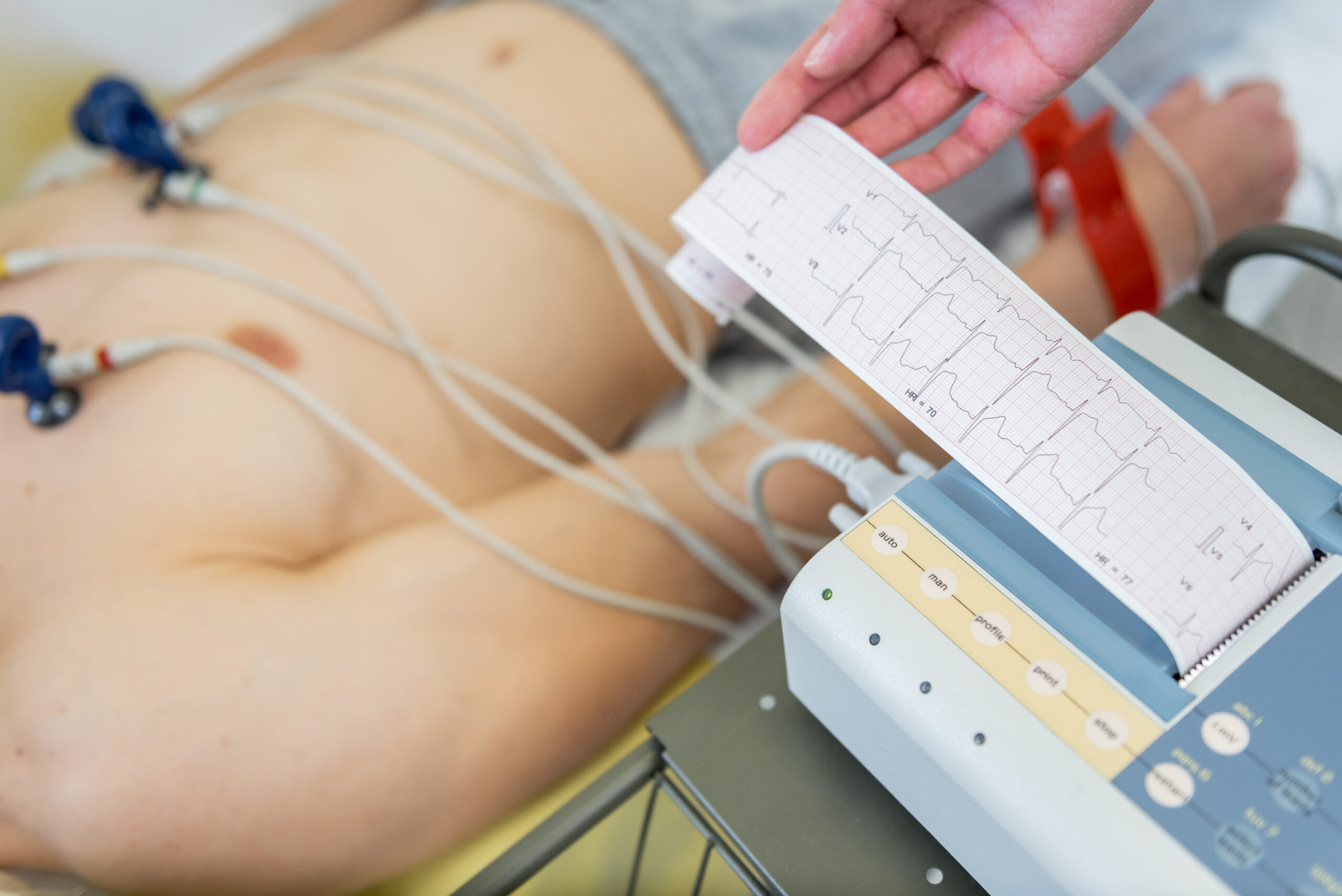
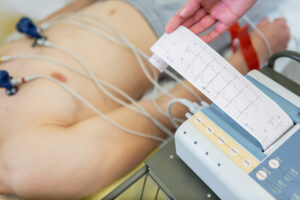
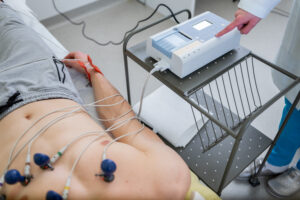
In some cases, a single ECG isn’t enough. If readings suggest irregular patterns or if symptoms persist, hospital ECG monitoring allows continuous observation over several hours or days.
This type of monitoring helps doctors:
- Track rhythm changes over time
- Correlate symptoms with electrical activity
- Respond quickly if abnormalities appear
Most of the renowned medical organisations in India now support access to structured monitoring pathways, ensuring patients receive timely attention when continuous observation is needed. essentially all patients with suspected complete AV block need urgent hospital admission for cardiac monitoring.
Step 5: How Technology Improves ECG Accuracy and Response
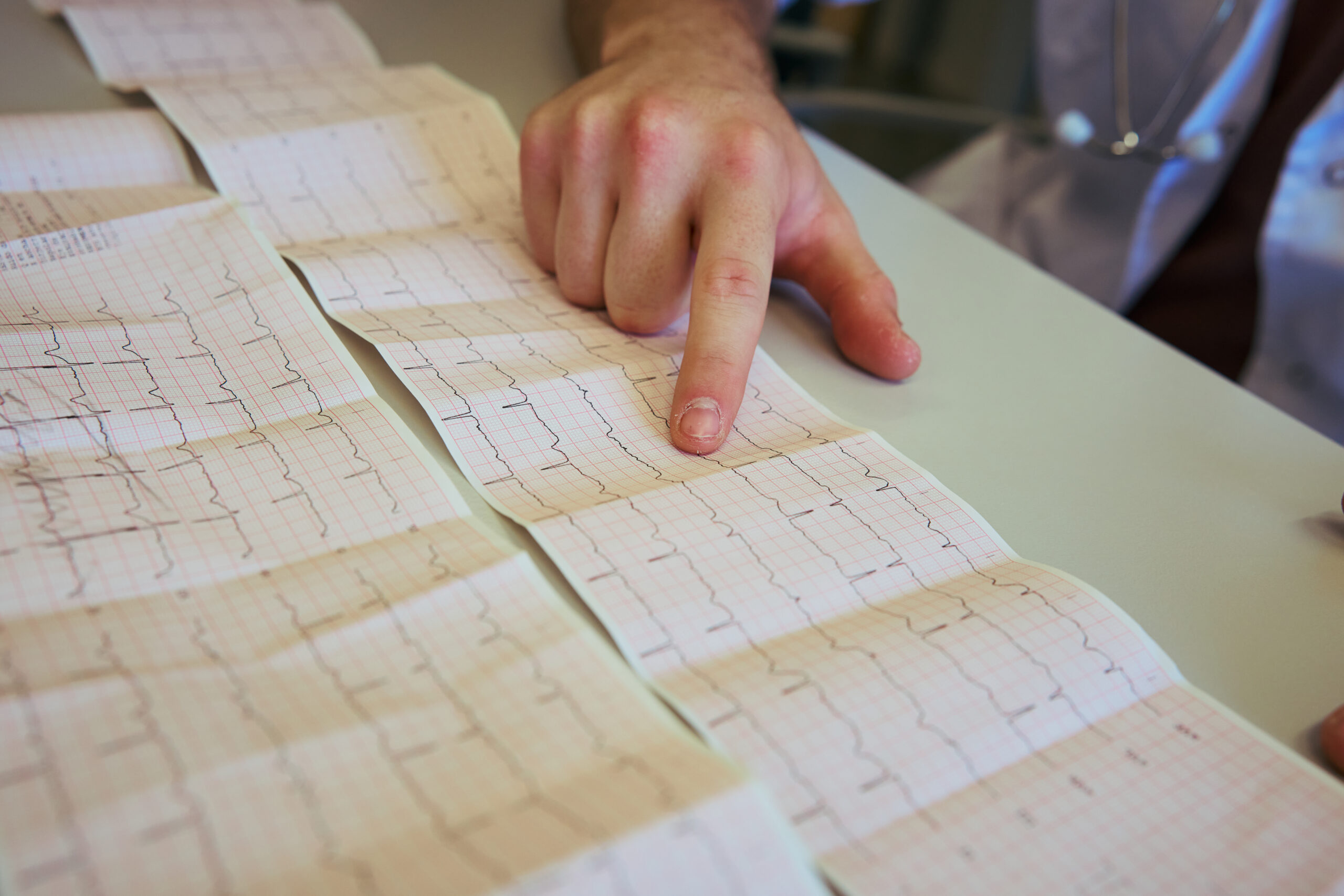
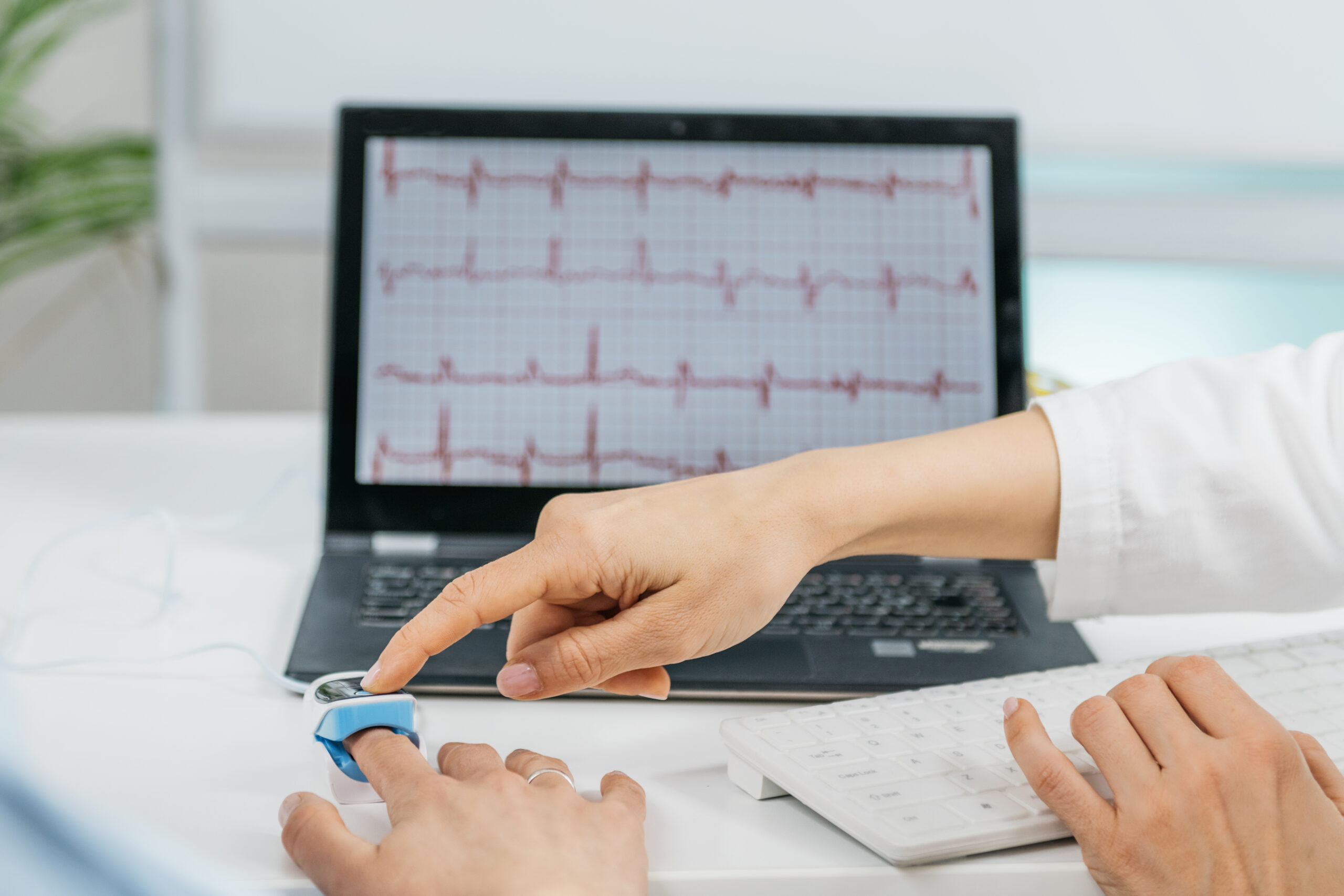
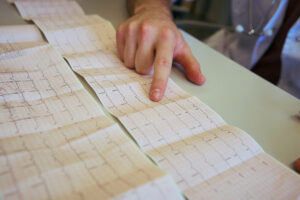
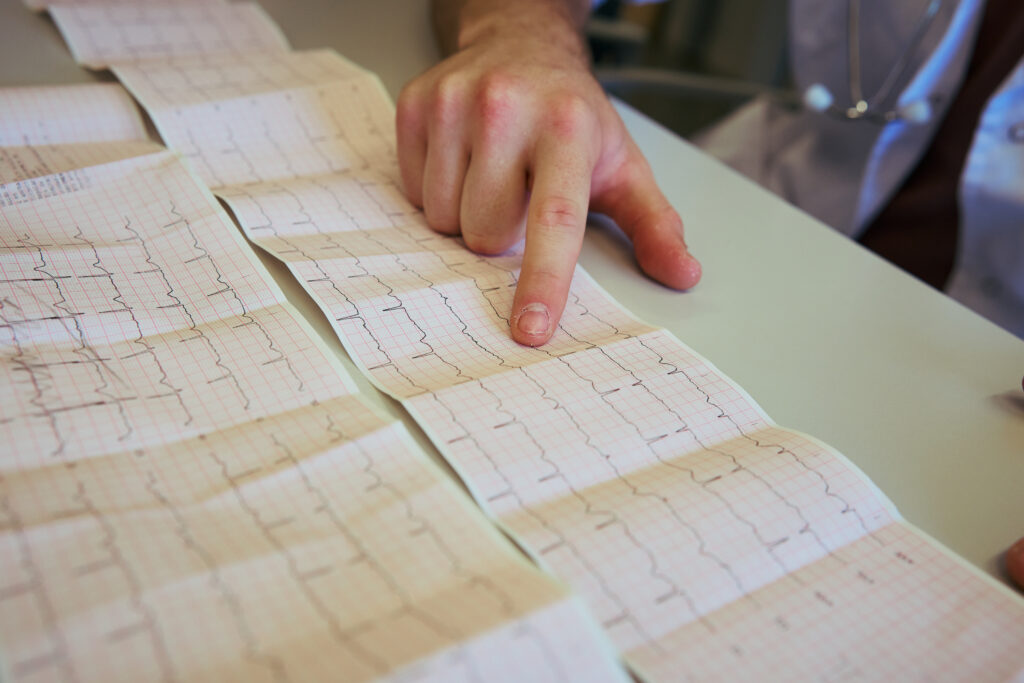
Modern ECG systems are no longer limited to paper printouts that are reviewed by a medical professional hours later. Digital ECG platforms allow faster interpretation, secure data sharing, and quicker clinical decisions.
With technology-backed healthcare systems, ECG data can be reviewed promptly by specialists, as they are transmitted securely in real-time. This helps in improving emergency response and diagnostic confidence. This integration of healthcare technology ensures patients are not left waiting during critical moments.
Medical data shows that more and more hospitals are now focusing on early screening and timely diagnostics to reduce avoidable cardiac risks across patient groups.
Read also : Top Innovations in Heart Monitoring Solutions You Need to Know About
Conclusion
Many serious cardiac events begin silently. ECG is only the first step to evaluating the whole condition. While ECG confirms the diagnosis, additional tests and blood examinations are performed identify underlying causes and determine the best course of treatment. Searching for an ECG diagnosis near me at the first sign of concern allows doctors to intervene early, often preventing emergencies rather than reacting to them. With technology-enabled care from Heartnet India, patients gain clarity, confidence, and timely cardiac support.
FAQs
When should I look for an ECG diagnosis near me in an emergency?
If you experience chest discomfort, dizziness, palpitations, or sudden breathlessness, Heartnet India recommends seeking an ECG diagnosis near me immediately, as early ECG readings support faster emergency response.
How does hospital ECG monitoring help with early detection?
Hospital ECG monitoring allows Heartnet India-supported doctors to observe heart rhythms continuously, improving early detection of abnormalities that may not appear during a single test.
Is ECG technology reliable for identifying heart problems early?
Yes. Heartnet India uses advanced healthcare technology in ECG diagnostics to detect electrical changes early, helping doctors act before conditions become severe.
Get our direction: https://maps.app.goo.gl/knyNPJ6vUWHt9KK7A