Heart issues are among the leading causes of health complications globally. Luckily, modern technology now allows for easier detection and treatment of heart issues from the early stages. Telemedicine for Cardiac Care is one such innovation. It enables physicians to monitor heart conditions from afar, providing assistance where and when most needed.
Rather than waiting for face-to-face visits, patients can report important signs remotely. This type of care makes decisions quicker and preempts severe problems. It also reduces hospital visits and relieves stress for families. With heart disease becoming more common, smarter management of it is not only helpful—it is necessary.
How Telemedicine Helps the Heart
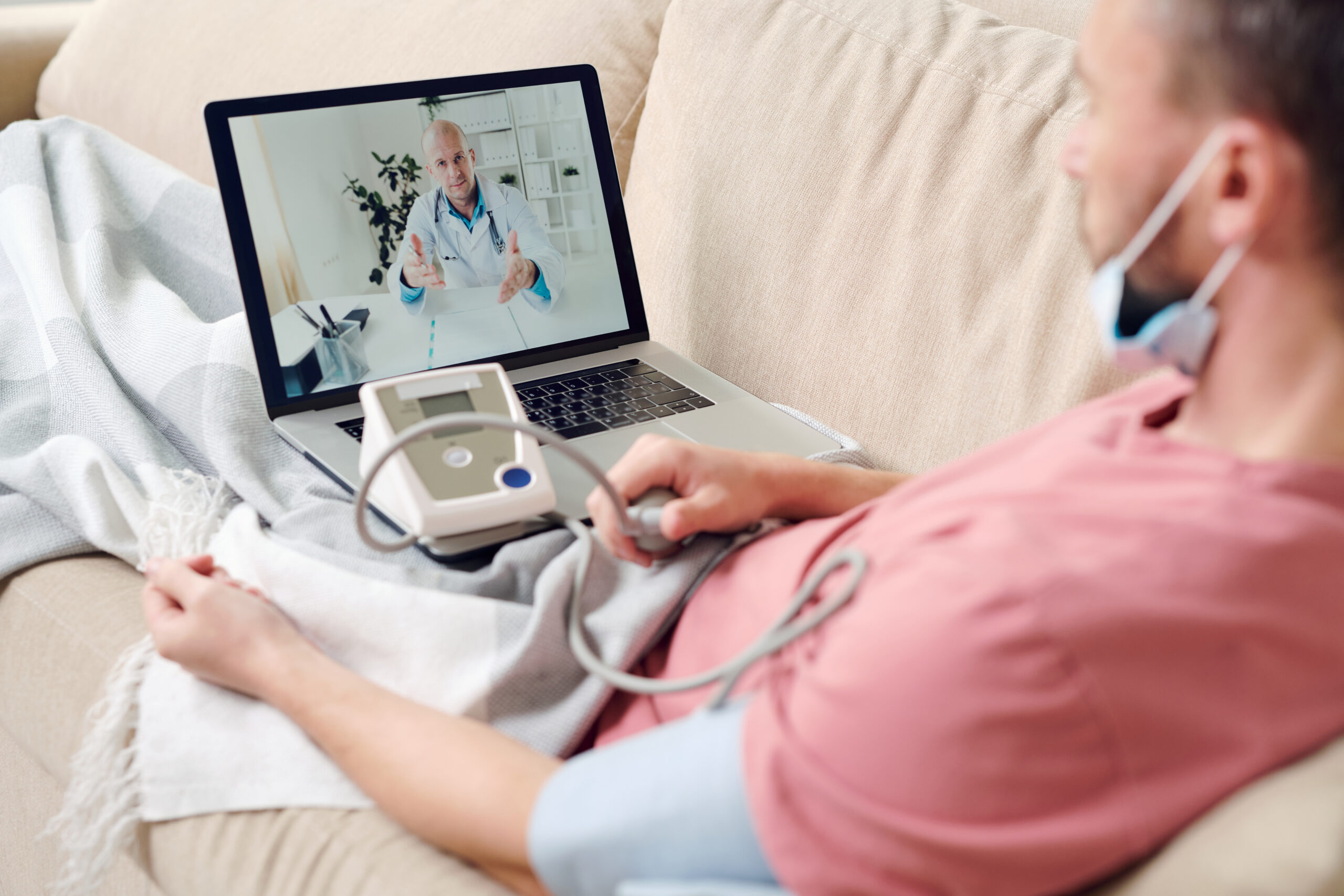
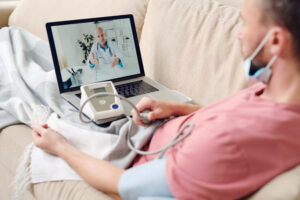
To begin with, Telemedicine for Cardiac Care links patients and physicians regardless of location. This is particularly convenient for individuals living in rural or remote locations. Without this technology, most would have to travel long distances for mere checkups. With telemedicine, however, they can utilize video calls or health applications to remain connected with physicians.
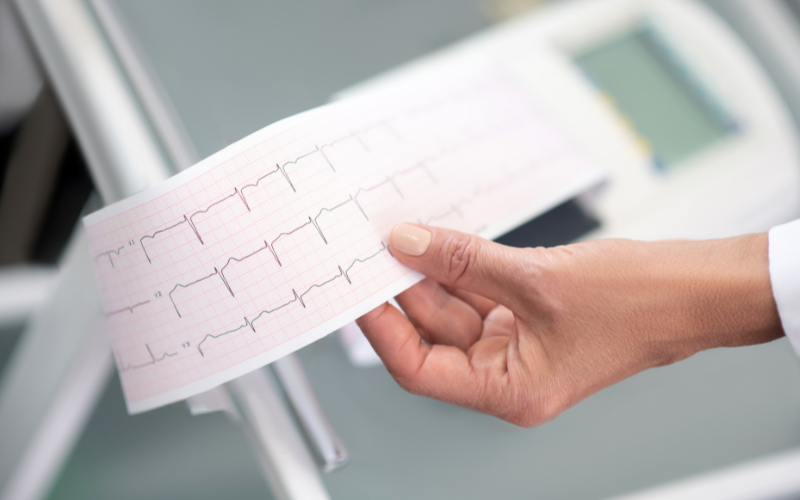
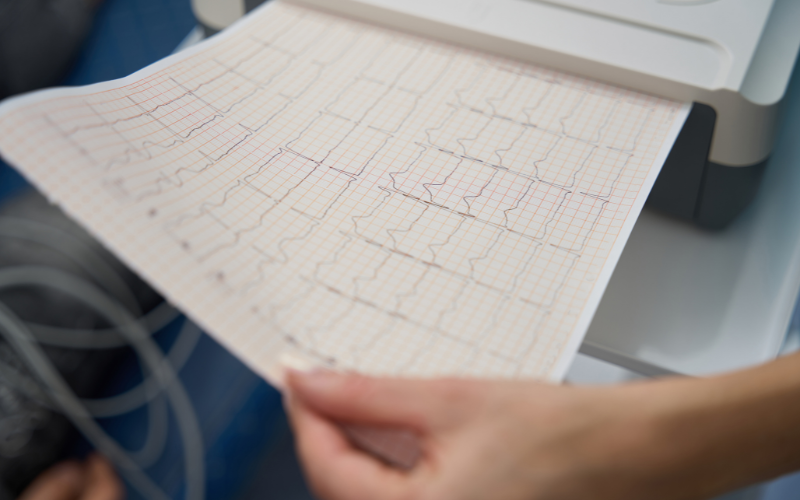
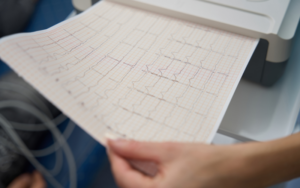
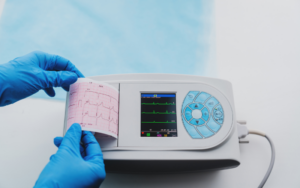
In addition, intelligent devices such as watches or handheld ECG monitors transmit heart information directly to medical teams. Because this information arrives in real time, physicians can immediately catch heart rhythm or pressure aberrations. That allows them to modify treatment promptly, without delay. This makes a huge difference in how quickly a person heals.
In addition, most patients are less tense at home than in a clinic setting. Such relaxation tends to result in more accurate symptom reporting and provides physicians with a clearer picture of how the patient generally feels on a day-to-day basis, not only when seen in the office.
Who Benefits Most?
Telemedicine can benefit anyone with heart problems, but some groups more than others. Older people, for example, have difficulty reaching a clinic. They might also face other health issues. With telemedicine options, they nevertheless receive the attention they require.
Children with heart conditions are another group. They need regular monitoring but also have school and other activities. Remote care helps them keep up with both. People with busy work or tight schedules can also avoid long waits and receive expert help.
Doctors and healthcare staff also gain. They can screen more patients in less time, which helps them focus on urgent cases. Plus, digital records make tracking a patient’s health easier over time.
Recommend Post: Telemedicine Solutions for Cardiology Hospitals
Early Action Saves Lives
One major benefit of telemedicine solutions is the chance to catch problems early. Often, people don’t notice skipped beats or slight blood pressure changes. But smart devices can. These tools alert doctors, who can take a closer look right away.
Take a person with high blood pressure. They may not feel any different, but their device shows rising numbers. Doctors can respond quickly—by changing medicine or ordering tests. This fast action can stop bigger issues from developing.
Heart disease usually builds up over time, not overnight. Regular check-ins and steady monitoring help catch small changes before they grow. This means better control and better outcomes.
Tools That Power Telemedicine
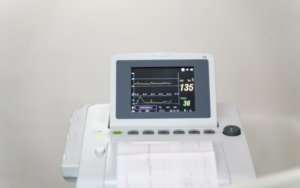
Many devices make remote care possible. These include ECG patches, blood pressure cuffs, and heart rate monitors. Some even check breathing and oxygen levels. The data is uploaded to secure systems where doctors can easily see it.
Patients can also enter symptoms or side effects into health apps. If something seems off, the telemedicine solutions alert the medical team. That way, doctors can respond without waiting for the next appointment.
Still, patients need a good internet connection and basic tech skills for this setup. Clinics may lend devices or offer simple training if someone lacks them.
Privacy and Trust Are Important
Despite all of these advantages, privacy issues do arise. Heart information is highly personal, so hospitals and clinics must be very strict about keeping it safe. Firm security systems and data laws prevent this information from getting out.
It’s also important that patients have faith in the system. They need to know who accesses their information and how it is utilized. Transparent, straightforward communication establishes that confidence. Most individuals feel more comfortable sharing their information with proper tools and support.
Challenges Still Remain
Even with the progress, there are still some challenges. Some individuals might not possess the appropriate devices or the ability to operate them. Others might be afraid of technology issues or just like face-to-face conversation. Furthermore, internet connections occasionally fail, and devices malfunction. To get around this, some doctors use a mixture of virtual and in-clinic visits
.Despite these problems, most individuals find the advantages outweigh the difficulties. With advancing technology, more patients should become comfortable with this type of care.
The Future Looks Strong
Looking ahead, telemedicine tools will only get better. New devices are becoming not just smarter but also easier to use. AI is helping doctors sort through large data sets to find patterns. In the future, these tools may even predict heart risks before symptoms start.
Meanwhile, healthcare systems are also catching up. Laws, insurance plans, and policies are changing to support virtual care. As a result, managing heart health may become faster and fairer for everyone.
Conclusion
Briefly, Telemedicine for Cardiac Care is making heart health quicker and smarter. With real-time feedback and quick check-ins, doctors and patients can avoid issues. There are, no doubt, difficulties, but the long-term benefits are obvious. At Heartnet India, we care about your heart’s health and are always willing to assist you with proper solutions.
Check Our Direction: https://maps.app.goo.gl/ni5eMrNCMqnfaLsQ7