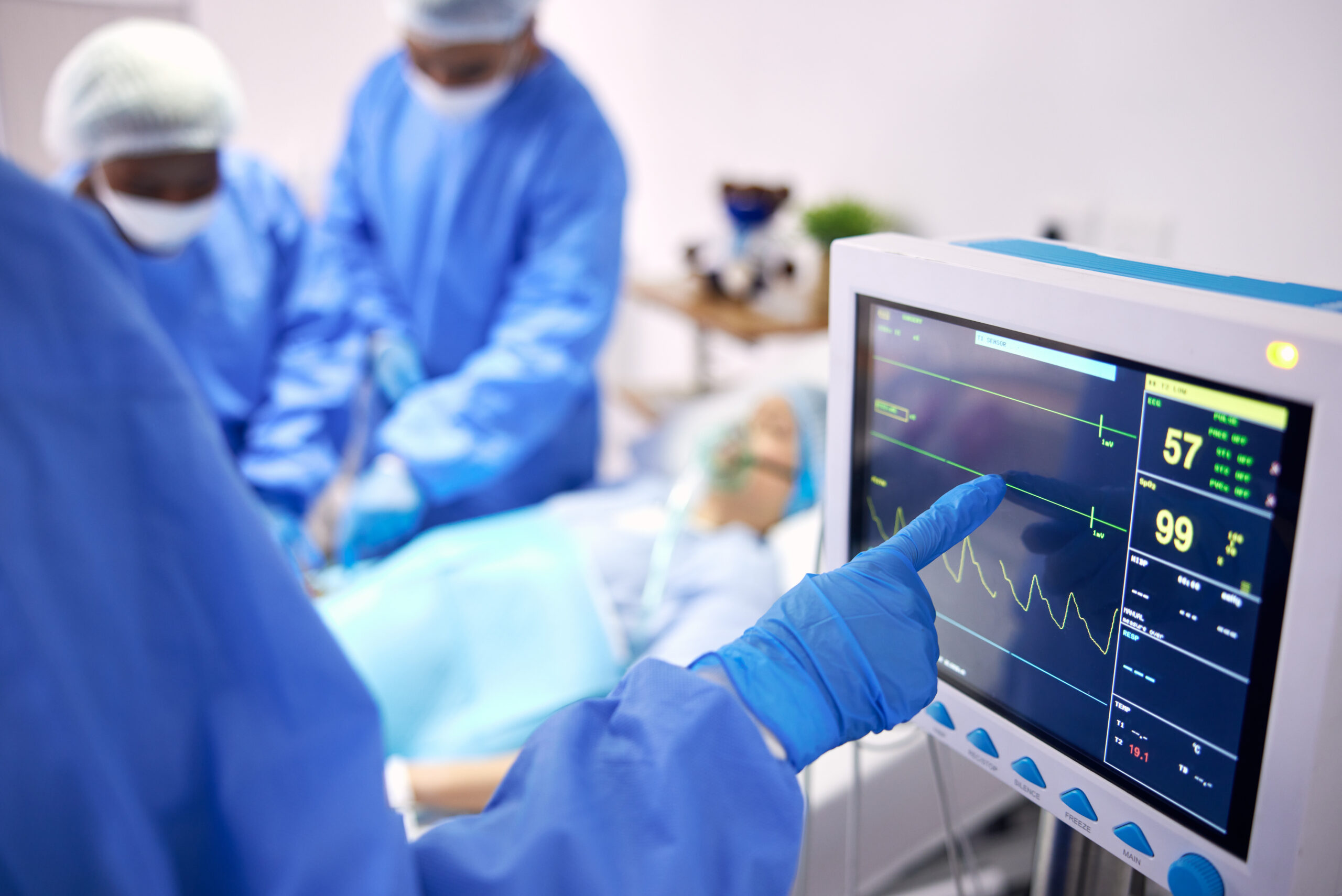
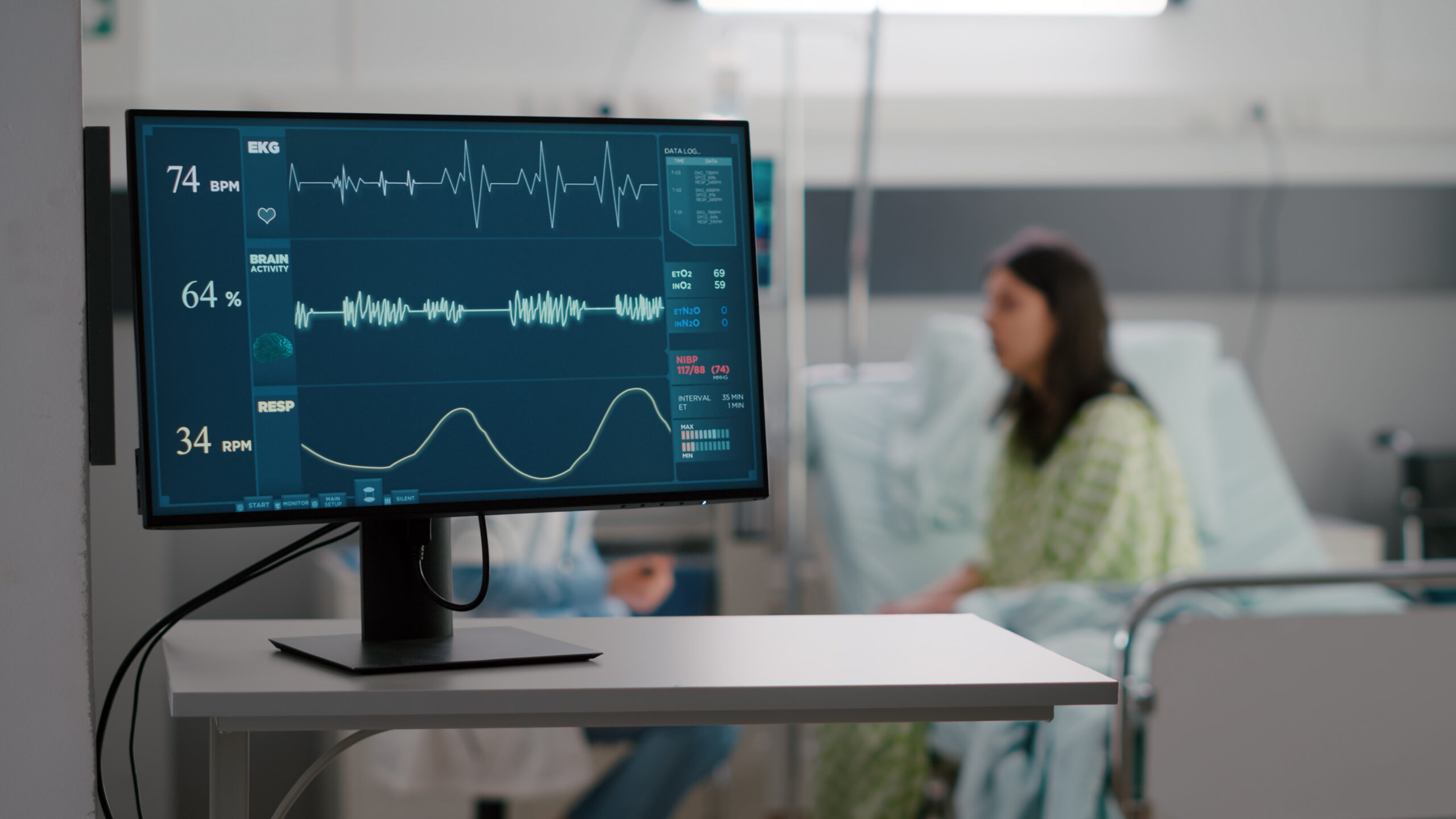
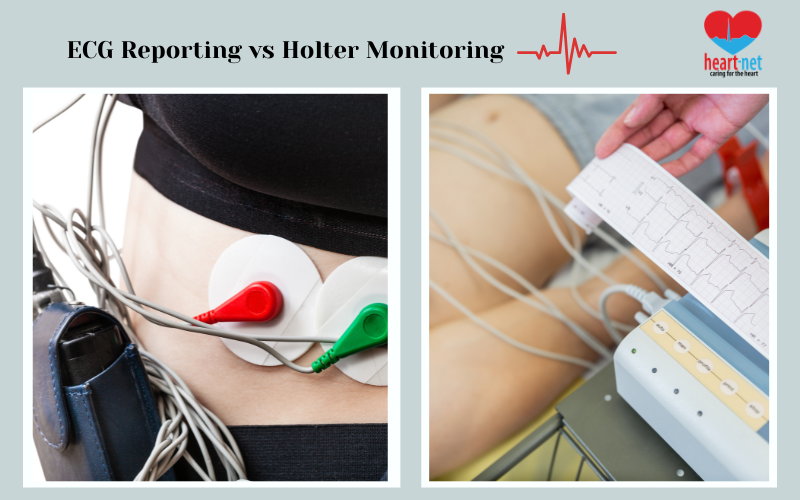
A remote patient monitoring system is an advanced cardiac monitoring solution that allows cardiologists and heart specialists to monitor the heart condition of their patients remotely. However, to maximize the benefits of remote patient monitoring solutions, you should adhere to the proper usage protocol to ensure the best results.
So, if you want to optimize the use of remote patient monitoring solutions, keep reading! In this blog, we will discuss some of the best practices of remote patient monitoring solutions for effective results.
What is a remote patient monitoring system?
A remote patient monitoring system is a specialised healthcare solution that uses digital devices such as smartwatches, blood pressure cuffs, glucose meters, and more. The entire solution helps to collect vital health data of patients from their homes and transfer it to the healthcare provider using IoT-like technologies.
Thus, these modern patient monitoring solutions enable continuous remote tracking of chronic conditions. They also support recovery and overall well-being. Remote patient monitoring solutions also help to reduce frequent hospital visits, and offer early intervention to prevent emergencies.
Best practices for a remote patient monitoring system
If you want to ensure the best results from remote patient monitoring services, you should use them properly. Here are the best practices to remember when using remote patient monitoring solutions-
- Patient education and support
The first and most important thing to consider while integrating patient monitoring solutions is patient education and support. A remote patient monitoring system usually has an intuitive interface, but it can become tricky for a specific individual. Therefore, when introducing the remote patient monitoring devices to your patients, consider a patient education and support service to ensure optimal results.
- Personalized care
Remote patient monitoring or RPM solutions are used for personalizing healthcare services for individual patients. Therefore, when you plan to incorporate the RPM system into your healthcare services, focus on providing personalized care. To create personalized care with a remote patient monitoring system, including individual patient data instead of generic data of your patients. Remember, interventions make patients feel included in their care plan. As a result, they feel more comfortable and assured of their healthcare support.
- Actionable data
Actionable data is another important aspect when it comes to remote patient monitoring solution best practices. It focuses on configuring alerts for the concerning data. As a result, RPM solutions can easily overlook false positives and only focus on gathering actionable data, leading to more accurate healthcare support services.
- Interoperability
Interoperability is a major concern when incorporating a remote patient monitoring (RPM system into your existing healthcare system. A wise move would be to choose an RPM system that seamlessly integrates with your existing EHRs. When a remote patient monitoring solution is smoothly integrated into an existing EHR, it helps ensure seamless integration and prevents data silos related problems quite easily and efficiently.
- Data accuracy
Data accuracy best practices for remote patient monitoring services include regular calibration of your existing devices to ensure only reliable data can be transmitted through the system. Data accuracy is important to ensure that the data obtained and transmitted through the system is accurate, leading to effective remote patient healthcare support services.
- Staff training
Apart from patient education and support, training healthcare providers and staff is equally important to ensure effective results from remote patient monitoring systems. Teaching staff (front desk executive, nurse, etc) about how to use the RPM system, its workflow, data interpretation, and troubleshooting aspects not only helps them to work with remote monitoring solutions but also helps them operate them accurately for optimal results.
- Timely response
To use the RPM system accurately and efficiently, you should also focus on timely response. Try to develop a protocol for real-time and rapid response and standard clinical action based on the alert’s seriousness. This will further help to ensure accurate and effective usage of the remote patient monitoring services.
Conclusion
Apart from the above-mentioned best practice, gathering meaningful patient data and continuous improvement can be effective in optimizing the use of remote patient monitoring solutions. Also, if you are looking for a high-quality, accurate, and effective remote patient monitoring system, visit Heartnet India. Here, you can get quality RPM solutions with staff training and patient education support services.