This question about ECG reporting matters for many families. Heart disease cases are rising across India. However, access to proper diagnosis varies by location. ECG tests are common and affordable, yet the quality of reporting is time-consuming. Therefore, in this blog, you will know why it is important to understand the ground reality.
What is ECG reporting and why does it matter?
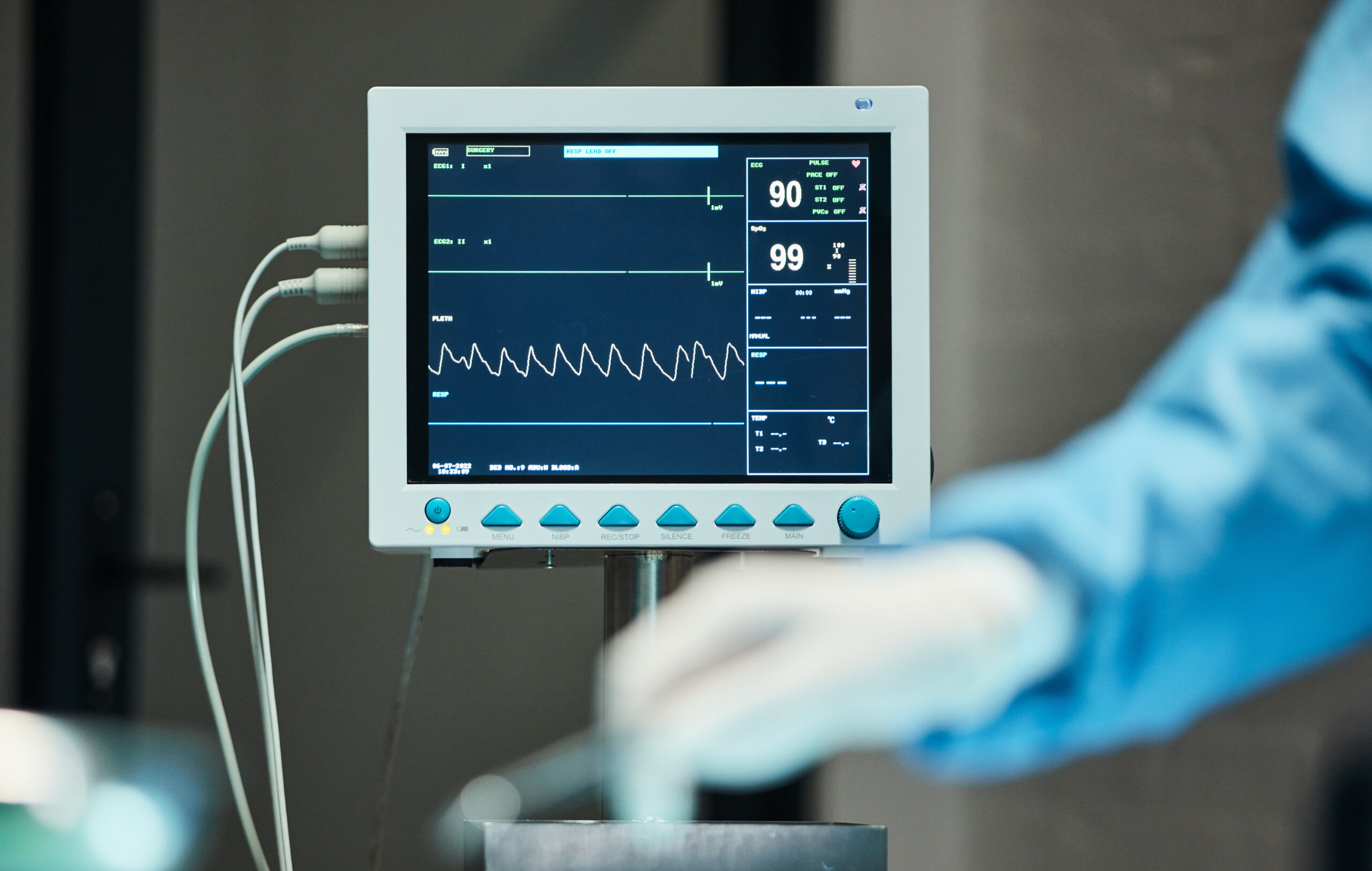
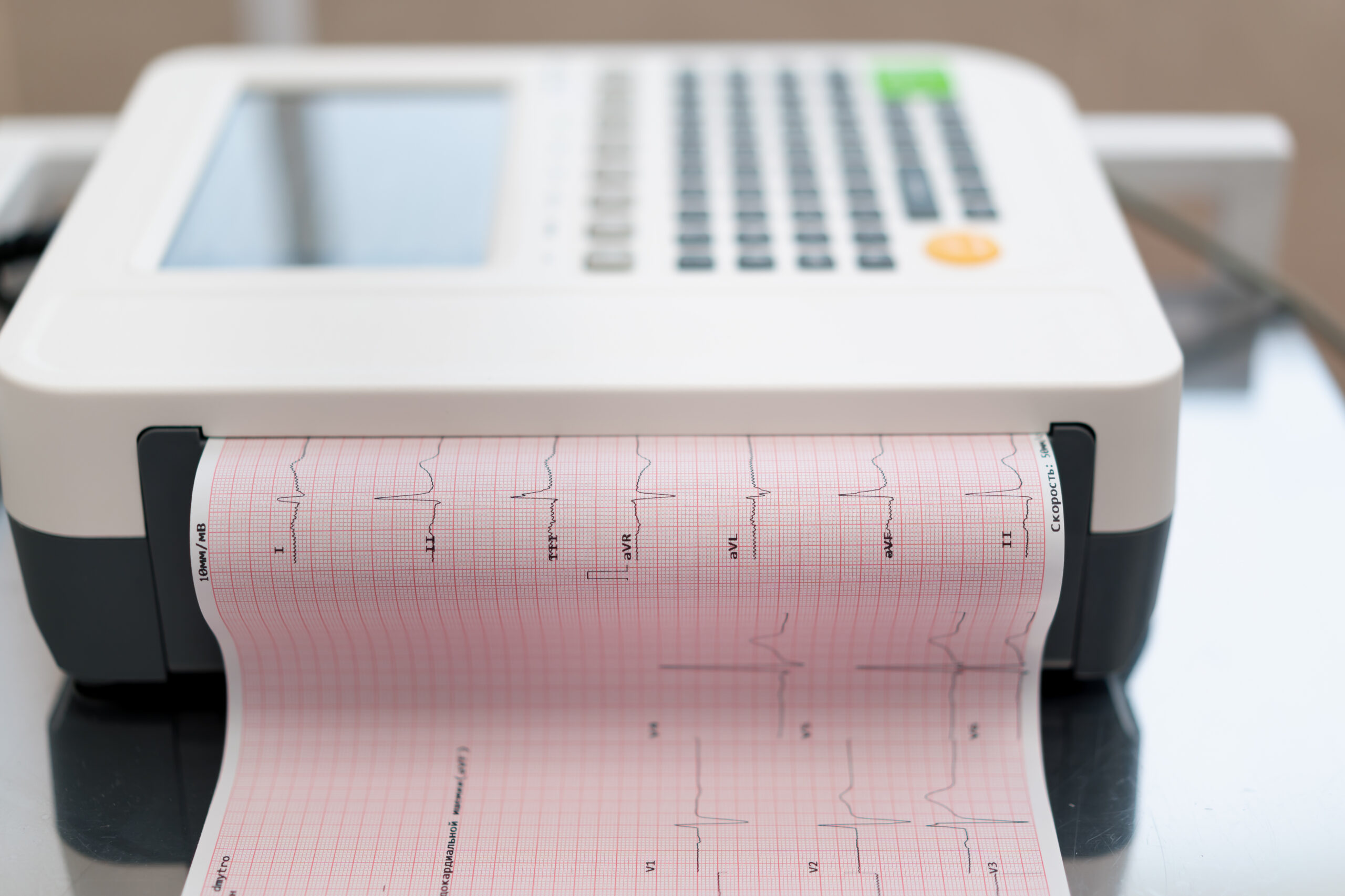
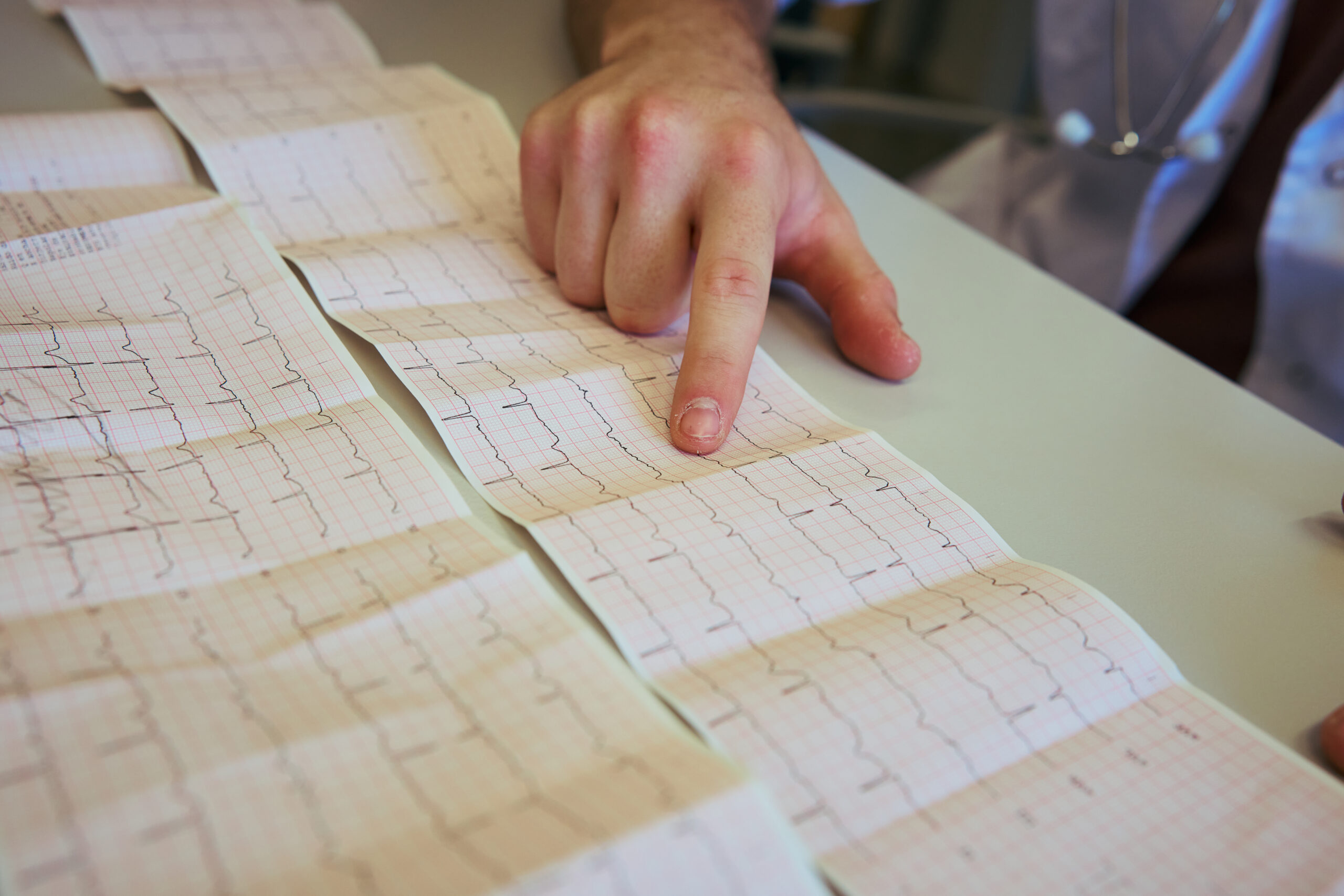
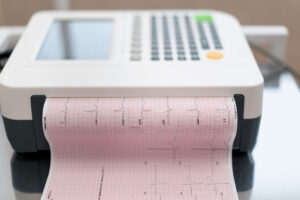
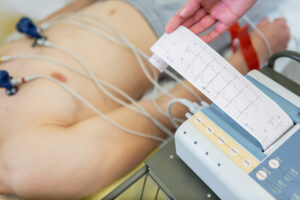
ESG reporting means analysing the electrical activity of the heart. Doctors use ECG reports to detect a rising problem. Also, they check for heart attack and other conditions. The machine records the signal from the heart. Then a doctor interprets those signals carefully. Here, speed plays a very big role in cardiac care. The delay report can risk a patient’s life. Hence, the report has to be accurate. A wrong interpretation can lead to wrong treatment. Therefore, proper ECG reporting is very important in critical emergencies. Patience depends on timely and correct analysis.
The healthcare landscape in tier 2 cities
Tier-2, cities have been growing rapidly in recent years. Many private hospitals and diagnostic centres are opening over there. As a result, basic cardiac tests are now available locally. People no longer travel to metro cities for a simple ECG test. However, the situation is still far from metro cities. Metro- cities hospitals often have advanced cardiac units. Also, they have an experienced specialist available daily. In comparison, the diagnosis of smaller cities continues to rise. Therefore, Tier 2 cities face growing pressure to improve services.
Availability of skilled professionals
Skilled cardiologists are very few in Tier 2 cities. Many specialists prefer metro cities for better opportunities. As a result, a general physician handles ECG interpretation. On the other hand, general doctors get training to read basic ECG patterns. However, complex cases requires expert review. Many centres depend on an outsourced expert. This sends ECG data to a specialist in bigger cities. This model supports remote diagnostic services, closing the gap between the patient and expert. They send ECG data to a specialist in bigger cities. This model supports remote servicesas it bridges the gap between patients and experts. Still, availability remains uneven. Some cities have good coverage, while others struggle with delays. Skilled manpower remains a key challenge.
Infrastructure and equipment challenges
ECG machines are widely available today. However, quality can vary. Some smaller clinics are still using outdated machines, and poor machines can reduce accuracy. Calibration is also important. The machine must function properly to give a correct reading. Internet connectivity also affects digital reporting. However, many centres are upgrading their systems gradually. Investing in better equipment improves the reliability.
Cost and affordability factors
Cost plays an important role in accessibility. ECG tests are generally affordable. However, pricing may still vary. Private hospitals charge more than small clinics. Insurance coverage helps to reduce patient burden. Moreover, government schemes are supporting low-income families. Yet middle-income families may still feel financial pressure. Repeated tests and consultations will add more expenses. Compared to metro cities, tier 2 cities often offer lower test costs. However, specialist consultation may increase total spending. Therefore, affordability depends on the complete care process.
Technology as a game changer
Technology is changing cardiac care significantly. Telecardiology connects smaller centres with an expert cardiologist. So, digital platforms send ECG data instantly, and specialists can review the reports remotely. This system strengthens remote diagnostic services across the region. It reduces delay and improves accuracy. Therefore, AI-based tools also assist doctors. Cloud-based system supports storing patient records safely before stopping, and also the turnaround time. A portable ECG machine helps small clinics and rural areas. These devices are easy to use and cost-effective. The network improves communication between doctors. Patience receives reports faster, and technology is playing a major role in improving accessibility. Remote services continue to expand in the tier 2 cities. They connect patients to specialists without travel. As a result, access improves steadily.
Conclusion
Accessibility of ECG reporting shows study progress in many cities. However, a gap still exists in skilled manpower and infrastructure. Therefore, digital health expansion can solve many challenges. Training programs for technicians and doctors are very important. Also, investment in equipment and the internet system is equally important. Technology and policy must work together. Remote diagnostic service already supports many smaller cities. With proper planning, coverage can improve further. Organizations like Heartnet India highlight the importance of structured systems. Therefore, tier 2 cities can achieve reliable cardiac diagnostics with the right support.
Frequently asked questions
Is ECG reporting accurate in tier 2 cities?
Yes, many tier 2 cities provide accurate ECG reporting. However, accuracy depends on machine quality and the doctor’s expertise. Centres using digital systems and specialist review usually offer better results.
How do remote diagnostic services improve ECG reporting?
Remote diagnostic services send ECG data to an expert cardiologist in other cities. Specialists review the report quickly and send feedback. This reduces delay and improves accuracy.
Do tier 2 cities have enough cardiologists for ECG reporting?
Some tier-2 cities have cardiologists. However, many still face shortages. Therefore, hospitals often depend on visiting or remote specialists.
Can technology fully solve ECG reporting challenges?
Technology improves speed and access. However, trained doctors are still necessary. Digital tools support experts but cannot fully replace them.