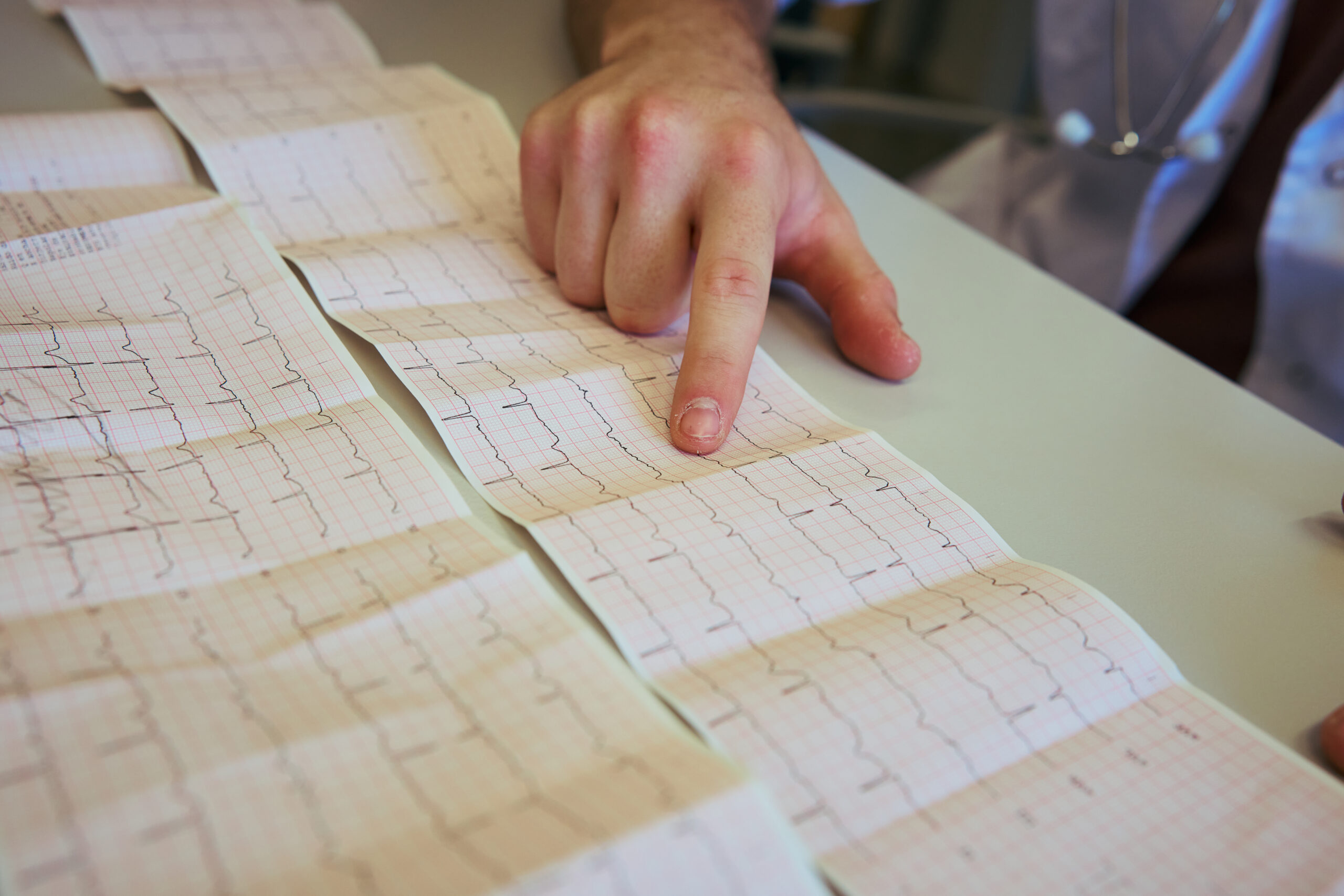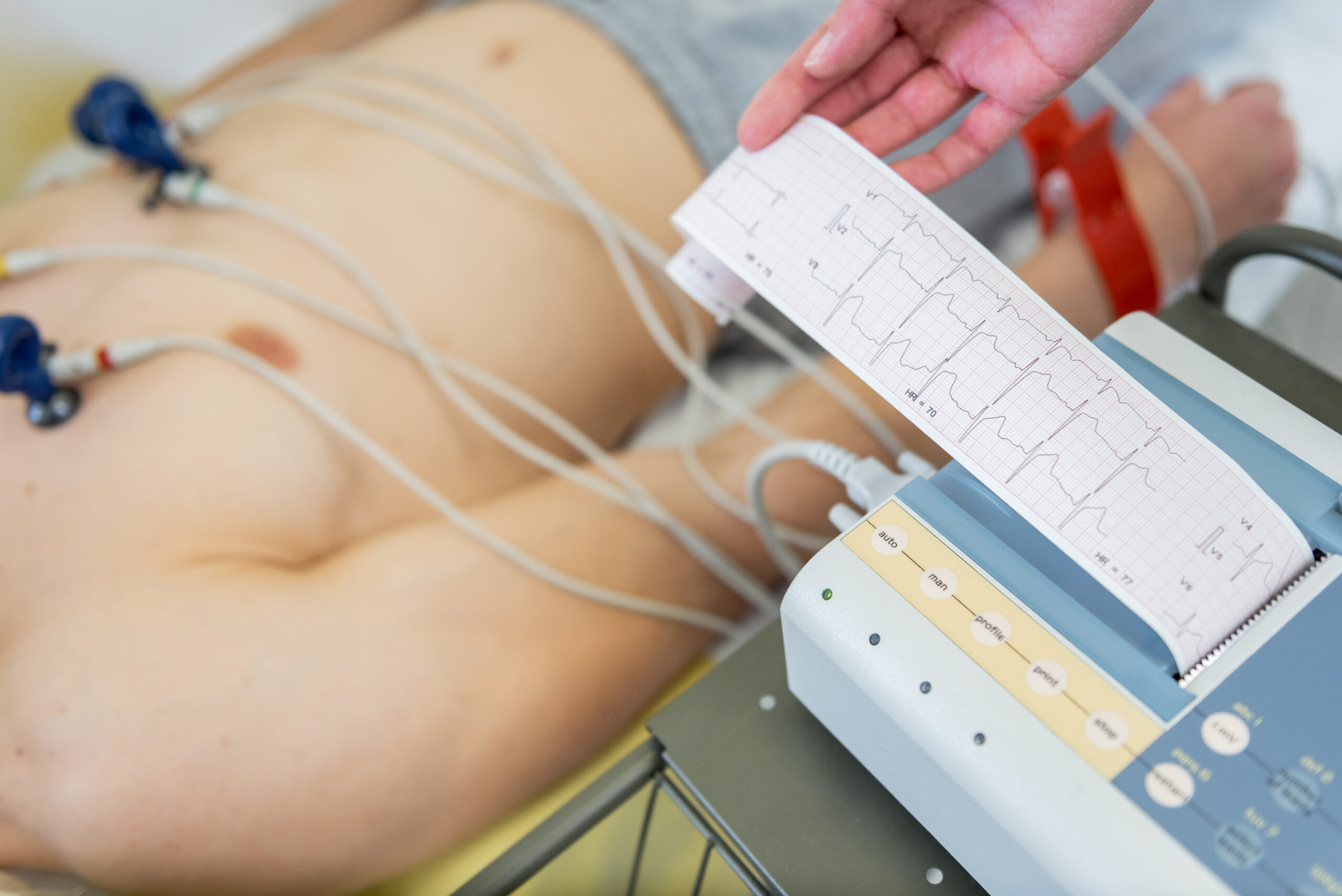
In today’s rapidly evolving healthcare landscape, ecg diagnosis plays a crucial role in detecting heart conditions early and accurately. From emergency rooms to rural clinics, electrocardiography has become one of the most reliable tools for assessing cardiac health.
Organizations like Heartnet India, operating in the cardiac technology and remote diagnostics solutions space, have helped expand access to timely ECG testing—making advanced cardiac care more accessible across geographies.
But how exactly does ECG interpretation work? And how do clinicians turn electrical signals into life-saving insights? Let’s break it down in simple terms.
What Is ECG Diagnosis and Why Is It Important?
ECG diagnosis refers to the process of recording and interpreting the heart’s electrical activity to detect abnormalities. An electrocardiogram (ECG or EKG) measures the electrical impulses generated as the heart contracts and relaxes.
Key Components of an ECG Waveform:
- P Wave – Atrial depolarization (contraction of the upper chambers)
- QRS Complex – Ventricular depolarization (main pumping action)
- T Wave – Ventricular repolarization (recovery phase)
By analyzing the timing, rhythm, and shape of these waves, clinicians can identify:
- Arrhythmias
- Heart attacks (myocardial infarction)
- Electrolyte imbalances
- Conduction abnormalities
- Structural heart issues
ECG remains one of the fastest, non-invasive, and cost-effective tools in cardiac assessment. In fact, according to the American Heart Association, cardiovascular diseases remain a leading cause of mortality globally, making early and accurate ECG interpretation essential.
How Does ECG Interpretation Actually Work?
Interpreting an ECG isn’t just about reading spikes and lines—it’s a structured analytical process.
Step 1: Assess the Heart Rate
Clinicians calculate beats per minute (BPM) by measuring the intervals between QRS complexes.
Step 2: Evaluate Rhythm Regularity
Is the rhythm regular or irregular? This helps detect atrial fibrillation or other arrhythmias.
Step 3: Examine Intervals and Segments
Important intervals include:
- PR Interval
- QRS Duration
- QT Interval
Any prolongation or shortening can signal conduction issues.
Step 4: Identify Abnormal Patterns
ST-segment elevation or depression, for example, may indicate acute myocardial infarction.
Modern ecg diagnosis increasingly integrates AI-powered interpretation tools, reducing human error and improving speed. In rural and semi-urban healthcare setups, digital ECG devices combined with remote diagnostics solutions enable cardiologists to review reports in real time—even if they are miles away from the patient.
This approach bridges the gap between primary care centers and cardiac specialists.
The Role of Remote Diagnostics Solutions in ECG Diagnosis
With growing demand for faster diagnosis, healthcare providers are increasingly investing in advanced ECG technologies.
Here’s how remote diagnostics solutions enhance ecg diagnosis:
1. Real-Time Transmission
ECG data can be transmitted instantly to cardiologists for expert interpretation.
2. Faster Emergency Response
In suspected heart attack cases, early ECG transmission can significantly reduce door-to-balloon time.
3. Rural Healthcare Accessibility
Portable ECG devices allow frontline health workers to conduct tests in remote areas and send data for specialist review.
4. Data Archiving & Analytics
Cloud-based systems enable long-term patient monitoring and trend analysis.
Companies like Heartnet India have contributed to this ecosystem by supporting healthcare providers looking to Buy ECG Devices that integrate seamlessly with digital reporting platforms.
Read also: Remote Patient Monitoring System: Best Practices For Effective Results
Practical Insights: What Makes an Accurate ECG Diagnosis?
For healthcare providers planning to Buy ECG Devices, certain factors directly impact diagnostic accuracy:
✔ Signal Quality
High-resolution waveform capture reduces noise and artifact interference.
✔ 12-Lead Capability
A standard 12-lead ECG provides comprehensive cardiac mapping.
✔ Automated Interpretation Support
AI-assisted readings improve workflow efficiency while maintaining clinician oversight.
✔ Secure Data Sharing
Encrypted transmission is essential in remote diagnostics solutions.
✔ Ease of Use
User-friendly interfaces help technicians minimize recording errors.
When these elements are combined, ecg diagnosis becomes faster, more precise, and scalable across healthcare systems.
Industry Trends Shaping the Future of ECG Diagnosis
The global ECG device market continues to expand due to:
- Rising prevalence of cardiovascular disease
- Increased preventive health awareness
- Expansion of telemedicine infrastructure
- Government initiatives supporting digital health
India, in particular, has witnessed rapid growth in portable and connected ECG technologies. With increasing adoption of remote diagnostics solutions, even small clinics can now offer specialist-level cardiac assessment.
Heartnet India operates within this evolving healthcare ecosystem, contributing to improved cardiac screening accessibility through technologically integrated ECG solutions.
Conclusion: Why ECG Diagnosis Remains Foundational in Modern Cardiac Care
Understanding how ecg diagnosis works empowers healthcare providers and decision-makers to make informed technology investments. From waveform analysis to AI-assisted reporting and remote cardiologist consultations, ECG interpretation has evolved significantly over the years.
Today, with advancements in remote diagnostics solutions, ECG testing is no longer limited to tertiary hospitals. It can be performed virtually anywhere—bringing timely cardiac care closer to patients who need it most.
As cardiovascular diseases continue to pose a major global challenge, strengthening ECG infrastructure remains a critical step toward improving early detection, treatment outcomes, and overall heart health.