Has your doctor recommended an ECG? If yes, then you might be confused or feeling a little anxious about the process. Although the term ECG diagnosis seems technical, it’s a really simple test that can help your doctor understand the current condition of your heart.
Since accuracy and right interpretation are really important, you need to find the experts for ECG diagnosis tests for the most reliable reports. When you get the reports promptly, your doctors can make better decisions with clarity about your heart condition.
In this detailed guide, we will explore what an ECG test is, why it’s done, and when you might need it.
What is an ECG diagnosis?
An electrocardiogram, or ECG, is a test that is performed by healthcare professionals to record the electrical activity of your heart. Whenever your heart beats, it is able to create tiny electrical signals. An ECG report will show those electrical signals on a graph.
ECG diagnosis is simply done when your doctor needs the graph or report to understand whether your heart is beating normally or if there are any underlying issues.
The good news? This test is neither invasive nor painful. During your ECG diagnosis, nothing will be inserted inside your body. Generally, the test is complete within 5-10 minutes.
Why Do You Need an ECG?
Your doctor can suggest an ECG diagnosis for many common heart-related issues. If you were recommended an ECG, then it doesn’t mean something is seriously wrong. Most often, this test is done just as a precaution.
Patients are usually asked to get an ECG done by experts like Heartnet India if they have chest pain or tightness, fast or irregular heartbeat, or shortness of breath. Sometimes, doctors can ask you to get an ECG diagnosis when you are dealing with dizziness, fainting, or high blood pressure issues
Doctors can get reports quickly with instant ECG interpretation when they need to take action without delay.
When Should You Get an ECG Immediately?
You should seek medical help and get an ECG immediately when you notice certain symptoms, such as:
- Sudden pain in the chest without any reason that spreads to your arm, jaw, or back
- Severe shortness of breath, especially while walking outdoors
- Unexplained sweating even in a cool environment
- Sudden dizziness or blackout moments (more than once)
These cases are serious, and you need an ECG diagnosis so that your doctors can detect the actual issues. For instance, if there are chances of a heart attack, your doctors can effectively treat the condition because of early detection.
How Is an ECG Done?
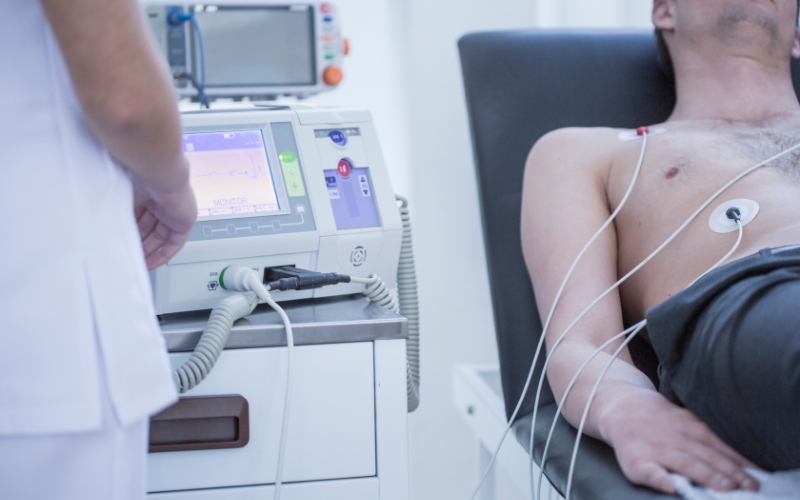
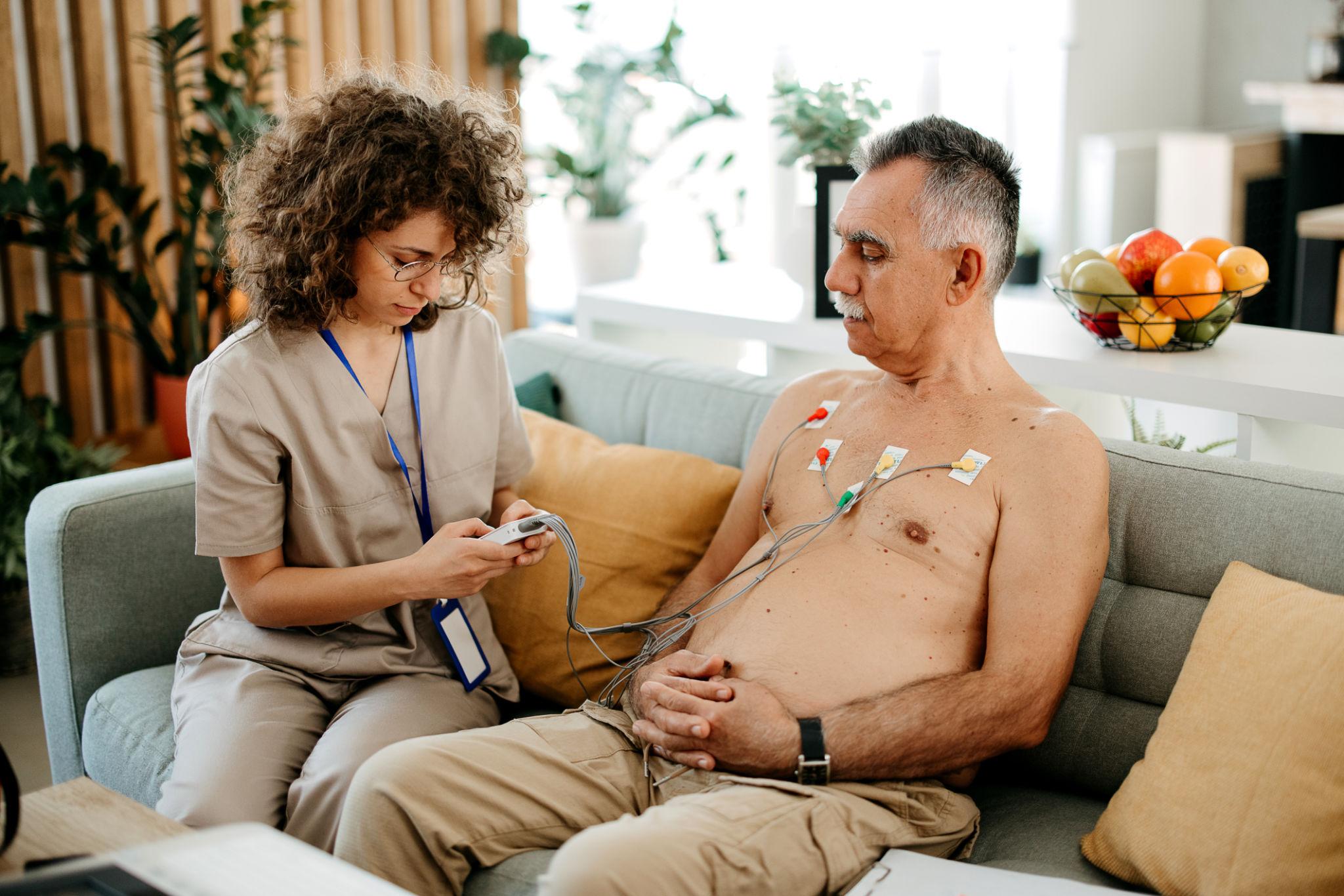
The process of ECG diagnosis is actually simple, and you don’t need to stress. Your doctors will ask you to lie down comfortably and place small sticky patches on your chest, arms, and legs.
These sticky patches are electrodes that are connected to the ECG machine through wires. For a few seconds, this ECG machine is able to record the electrical activity within your heart. That’s it. You don’t need to go through any needles or painful processes.
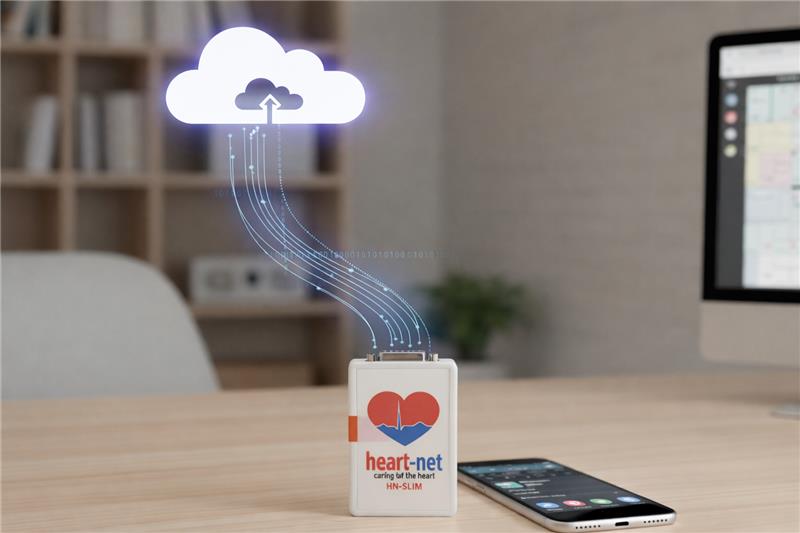
Since most organizations are using modern tools for ECG diagnosis, your doctors can get instant ECG interpretation and quick reports within a few minutes.
Read also: How does remote cardiology diagnostics technology work?
Benefits of Instant ECG Interpretation
Due to the technology, patients are able to get the ECG diagnosis done quickly and receive more efficient reports. Here are the main benefits of instant ECG interpretation:
- Heart-related problems are detected at an early stage
- Patients don’t have to wait for a long time as they get faster results
- Doctors can understand and make quick medical decisions
Most doctors recommend instant reports, especially in emergencies, because every minute matters for patients with serious conditions.
Is There Any Preparation Needed?
Although you don’t need any special preparation, you should follow some simple tips:
- Wear comfortable clothing during the ECG test
- Don’t apply lotions or oils on your chest when going for the ECG examination
- Stay relaxed during the ECG test for accurate results
When you follow these small steps properly, you can ensure your ECG diagnosis reports are accurate.
Final Thoughts
Compared to other tests, an ECG diagnosis is a simple and important test to check the condition of your heart. Through this test, your doctors can clearly understand how the heart is working at the moment and what the underlying issues are.
For the quick report of ECG diagnoses, you need to find experts in healthcare like Heartnet India so that your doctors can identify any potential heart issue at an early stage.
So, if you are ready to go for an ECG treatment, invest time in finding the best ECG diagnosis report provider.
FAQs
Will I feel pain during an ECG test?
No, you won’t feel any pain during an ECG test. It is a completely painless process. However, you can feel the sticky patches on your skin that are checking the electrical activity of your heart.
Since I have a busy schedule, I want to know: How long does an ECG take?
You don’t have to invest a lot of time in an ECG test. Generally, the test is completed within 5-10 minutes. With instant ECG interpretation, you can also get access to the report within a few minutes.
Do I need to fast before an ECG?
No, you don’t need to fast before an ECG. Before the test, you can eat and drink normally. However, your doctor can advise better on fasting. If there are other tests, then you must ask the doctor.
Get our direction: https://maps.app.goo.gl/htEXhLbNgZm2LZVk6