In this digital era, everything depends on technology. The healthcare industry also leverages various technological tools to improve healthcare solutions and patient experience. Healthcare technology has revolutionized monitoring, diagnosis, and treatment methods. A remote monitoring system depends on technology. And when discussing the remote cardiac monitoring system, one must not forget the role of technology. Here, we will discuss the key technologies used in a remote heart monitoring system:
- Cloud storage
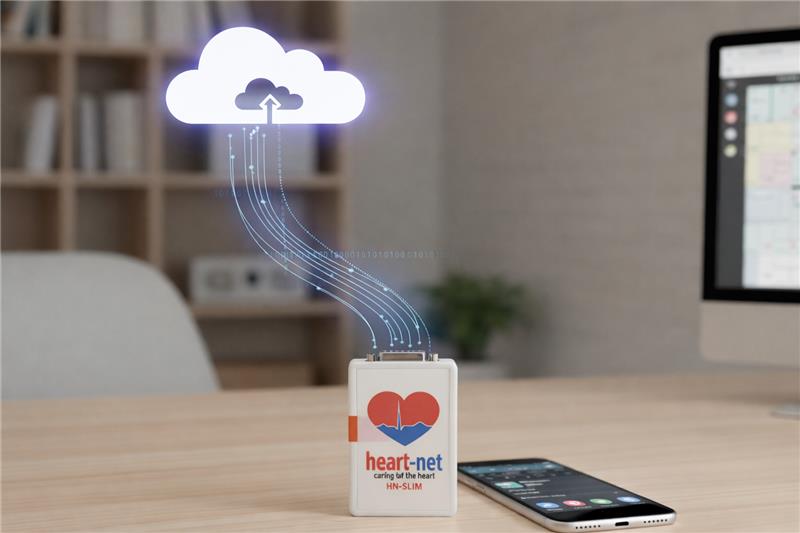
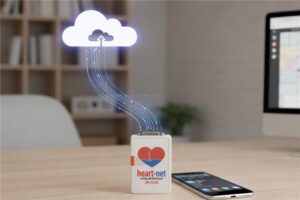
A remote cardiac monitoring solution needs to store healthcare data securely. So that healthcare professionals can access the data with ease and reach out to patients. Cloud storage, along with a local storage system, is essential to securely store data. Cloud storage allows flexible and scalable data management capabilities. Easy access to patient data from cloud storage ensures that patients receive cardiac care anytime and anywhere.
- Big data analytics
Another key technology used in cardiac telemetry systems is Big data analytics. Remote cardiac monitoring devices use advanced algorithms to analyze collected patient data and identify patterns to identify warning signs of potential health risks. This ensures timely access to medical care through accurate clinical decision-making. Big data analytics offer insights into broader trends in cardiac health.
- Internet of Things
IoT, or Internet of Things, is a crucial technology used in a remote cardiac monitoring system. IoT helps in the transmission of patient data to healthcare professionals, including diagnosis reports and so on. This helps cardiac specialists take preventive action to avoid dangerous cardiac emergencies. IoT also helps patients reach out to doctors for regular heart health checkups.
- Machine learning
Remote cardiac monitoring solutions also leverage Machine Learning to offer quality cardiac care. It automates various processes such as diagnosis, treatment, and management of cardiac health. It reduces human error and increases accuracy. Not only that, but it also helps in faster decision-making by reducing the time of various processes. Machine Learning can be used to offer automated alerts when specific irregularities or thresholds are detected in cardiac patients. It ensures that cardiac patients get faster medical care in emergency situations.
- Artificial intelligence
One of the most important technologies used in remote monitoring, especially remote cardiac monitoring solutions, is AI or Artificial Intelligence. Its use goes beyond just analyzing patient data. Artificial Intelligence in a remote heart monitoring system offers predictive analytics. It uses real-time and historical data to find patterns and predict cardiac health issues, necessary for offering proactive intervention and preventive care.
- Mobile applications and web portals
A remote cardiac monitoring system also relies on the use of certain technological tools, such as mobile applications and web portals. Most remote cardiac monitoring solutions use Mobile apps or web portals to offer 24/7 medical care to cardiac patients. Cardiac patients can use mobile applications to receive healthcare notifications, access their medical data, and reach out to their healthcare providers. They can also use web portals or mobile applications to access monitoring data that is helpful for better health management.
- Clinician dashboards
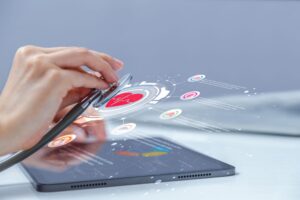
Clinician dashboards are crucial technological tools used in a remote cardiac monitoring system. A dashboard allows healthcare professionals to manage patient care, access real-time patient data, and set alerts. A clinician dashboard helps a professional to monitor multiple cardiac patients at the same time and understand who needs immediate care based on collected patient data and diagnosis reports. Dashboards leverage the use of AI, Machine Learning, and the Internet of Things.
Recommend Post: Cardiac Telemetry Systems: The Benefits of Cardiac Monitoring Devices
- Robust IT structure
A robust IT structure is essential for remote cardiac monitoring solutions. Cardiac telemetry systems can effectively protect patient data through data security and privacy. A strong IT infrastructure offers access control, encryption, etc, for advanced data security. IT infrastructure also ensures interoperability, which ensures seamless integration of advanced technology with the existing healthcare system. Advanced technology ensures compatibility with various software systems and medical devices important in cardiac remote monitoring solutions.
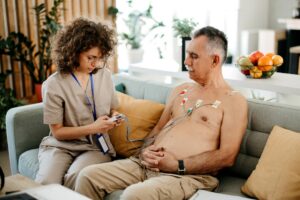
Conclusion A remote cardiac monitoring system is an advanced healthcare tool that involves various advanced technologies such as machine learning, cloud storage, Internet of all things, artificial intelligence, and more to create an effective remote cardiac monitoring solution that helps healthcare providers monitor chronic cardiac patients remotely without the need for regular hospital visits. Heartnet India provides quality cardiac monitoring solutions that support quality remote cardiac care services.
Our Direction: https://share.google/WTFc7rODipxPNlv1W