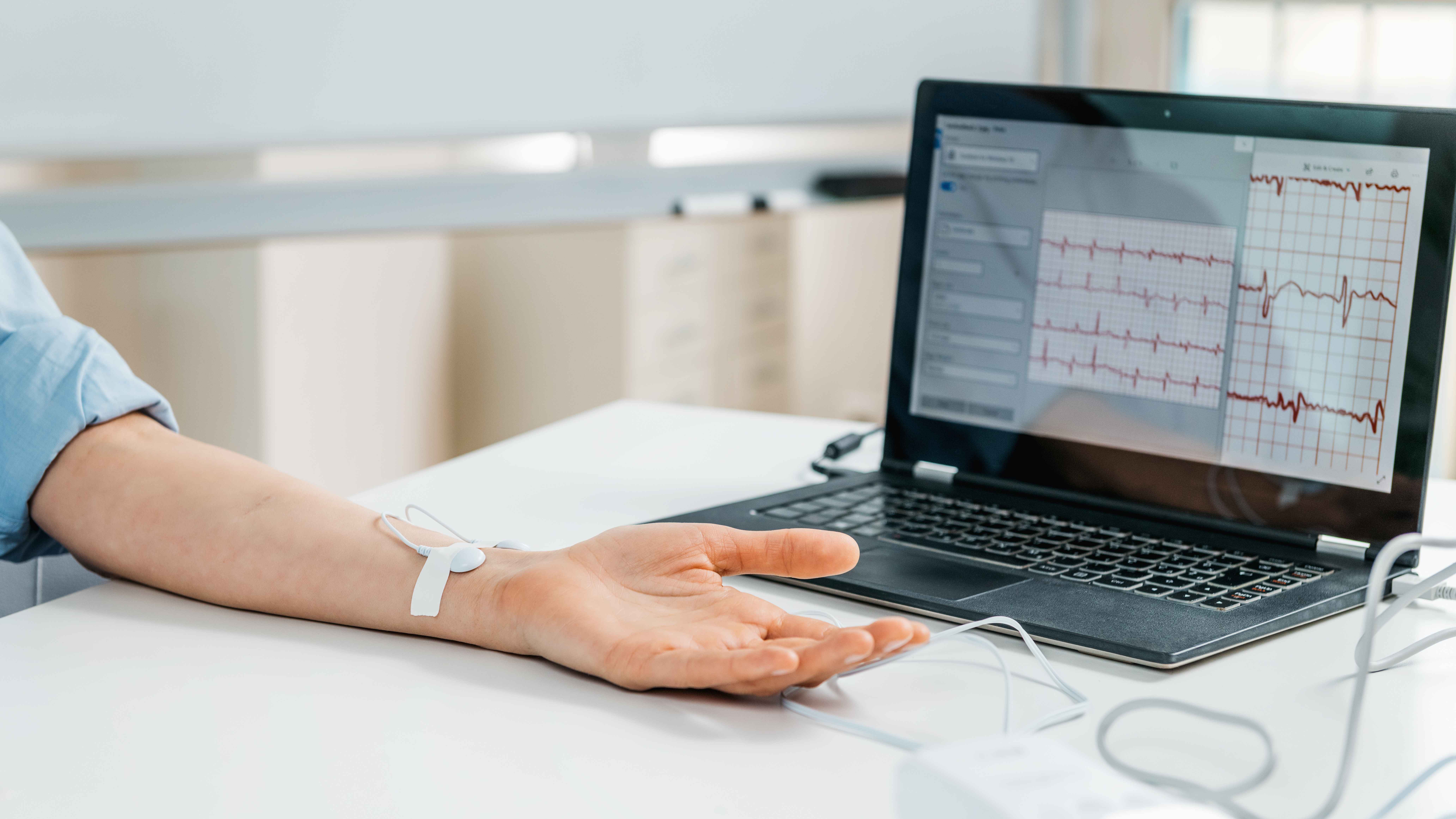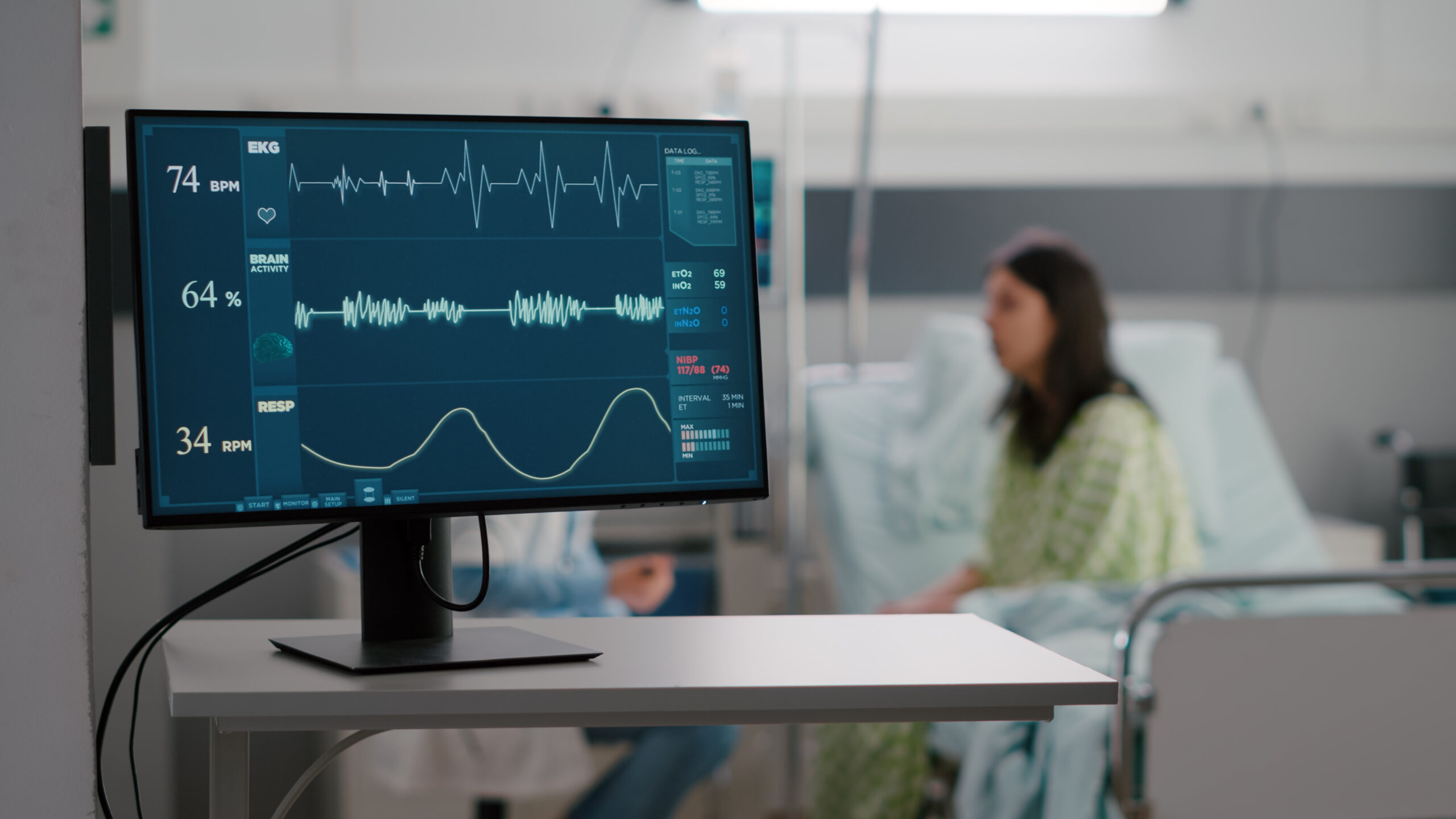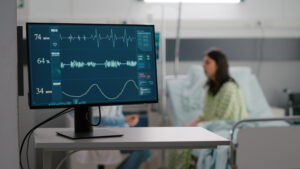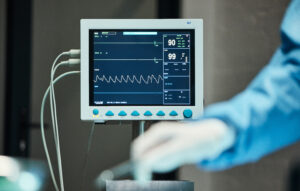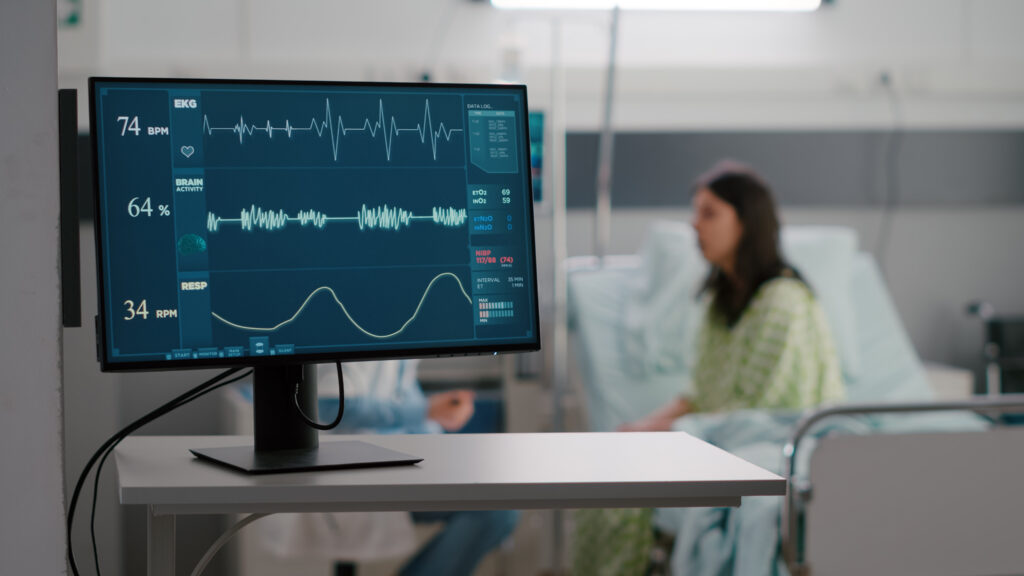
If you go to the cardiac ward of any hospital, you will see that there has been a subtle yet significant change. In the past, heart rhythms were monitored at specific times of the day. However, today, heart rhythms are transmitted continuously to digital screens, where they can be monitored at any given time of the day.
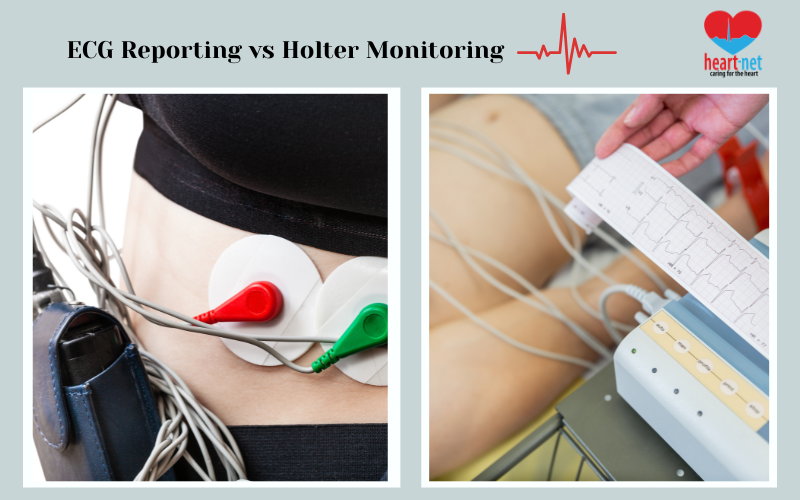
In earlier times, ECG monitoring was done at the bedside of the patient. However, today, it is done differently. In hospital ECG monitoring, the heart rhythms bypass the conventional method of going to a device and being monitored. Instead, they go straight from the electrodes that are attached to the heart of the patient to a network system, which sends the rhythms to a central location.
At this location, the nurses and doctors can look at many patients at one time. In addition, if the heart rhythm of the patient suddenly changes or becomes irregular, this will be highlighted at this time.
Why Heart Monitoring Is Becoming More Central in Hospitals
Heart disease remains one of the leading conditions for hospitalization. Any patient coming in with symptoms of heart discomfort, abnormal heart rhythms, or complications from heart disease needs to be carefully watched for a long period of time.
In this context, the importance of cardiovascular disease monitoring is discussed. With continuous ECG monitoring, medical professionals are able to monitor the heart’s activities over time instead of just at one point in time. They are also able to monitor how the heart is responding to medication or procedures such as angioplasty or bypass surgery.
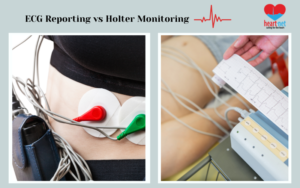
In a normal ECG test, the heart is monitored for a short period of time. However, in ECG monitoring systems used in hospitals, the electrical signals are continuously monitored throughout the patient’s stay. By monitoring this for a longer period of time, medical professionals are able to easily identify changes in heart rhythms that could have otherwise gone unnoticed.
The Shift Toward Central Monitoring Stations
One of the most noticeable changes in hospitals today is the introduction of centralized monitoring stations. Rather than having to move from bed to bed, medical staff can now observe multiple ECG screens at once.
This is particularly evident when a rhythm change occurs suddenly. If, for instance, a patient begins to have an abnormal heartbeat, an alarm signal is sent immediately. The nurses can then assess the situation and take action before it gets out of hand.
In particular, centralized monitoring stations are extremely important for hospitals that have an intensive care unit or a heart ward, as hospitals can have continuous surveillance over all patients receiving cardiac care.
Technology Making Monitoring More Intelligent
Another area where technology has made these monitoring systems better than the earlier systems is that these monitoring systems are now equipped with software that enables the highlighting of unusual patterns in the ECG waveforms.
It needs to be mentioned here that these monitoring systems are not replacing the doctors but are instead helping the doctors in their work by keeping them informed of the changes that are taking place in the waveform, which might signal impending rhythm problems for the patients. The monitoring systems might even provide the doctors with more time to observe the patients before the problem becomes severe.
Another area where technology has made these monitoring systems better than the earlier systems is that these monitoring systems are now capable of integrating hospital ECG systems into electronic record systems, which enables the doctors to get a better idea of the patients’ conditions.
The Growing Role of Data in Cardiac Monitoring
Today, the amount of information that can be gathered in a heart ward is significantly higher compared to what could be gathered in the past. Continuous monitoring devices can show heart activity over a long period of time, thus creating a timeline of the heart’s signals.
Doctors can now look at patterns that emerge over a period of time instead of focusing on individual signals. In some instances, patterns can show what may have triggered problems in the heart’s rhythms, including medication or physical stress.
The information also helps in improving collaboration within hospitals. Different medical experts, including cardiologists, nurses, and technicians, can look at monitoring information and discuss it among themselves.
Through this collaborative approach to cardiovascular disease monitoring, medical experts can make faster and better decisions.
What This Means for Future Cardiac Care
Cardiac care within hospitals is evolving as the technology used for monitoring continues to advance. Continuous observation, alerts, and connected systems enable medical staff to detect rhythm issues earlier than ever before.
In the near future, hospitals might depend more on connected systems that can monitor heart rhythms at all hours. The earlier detection of irregular heart rhythms can greatly improve the response to cardiac emergencies.
Organizations dedicated to the field of cardiac diagnostic services are aiding the transition into more intelligent environments for monitoring. Among such organizations, Heartnet India is involved in creating monitoring systems for hospitals to provide more responsive and reliable services for cardiac patients.
Get our direction: https://maps.app.goo.gl/NNXrVuytWZj2dZnVA