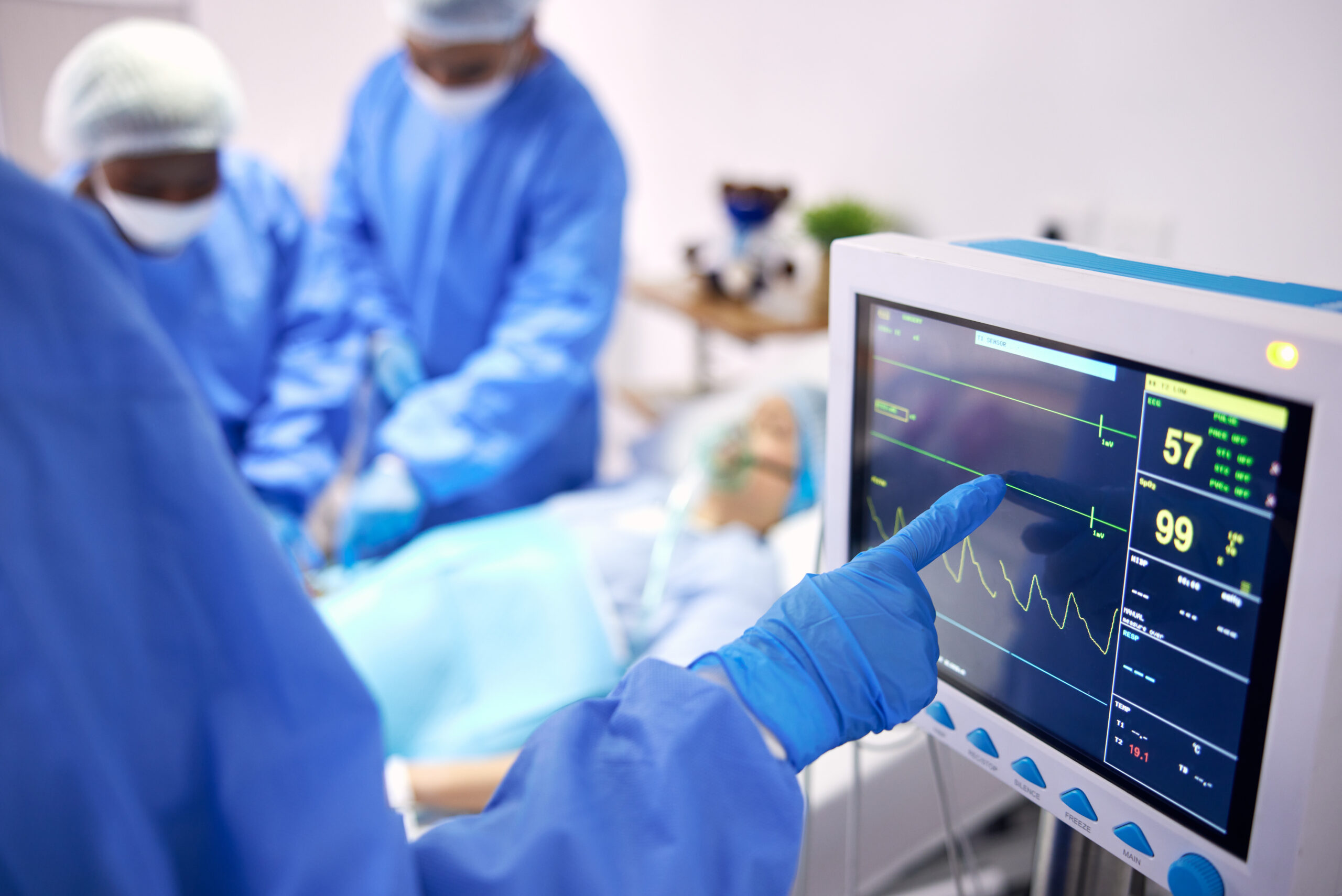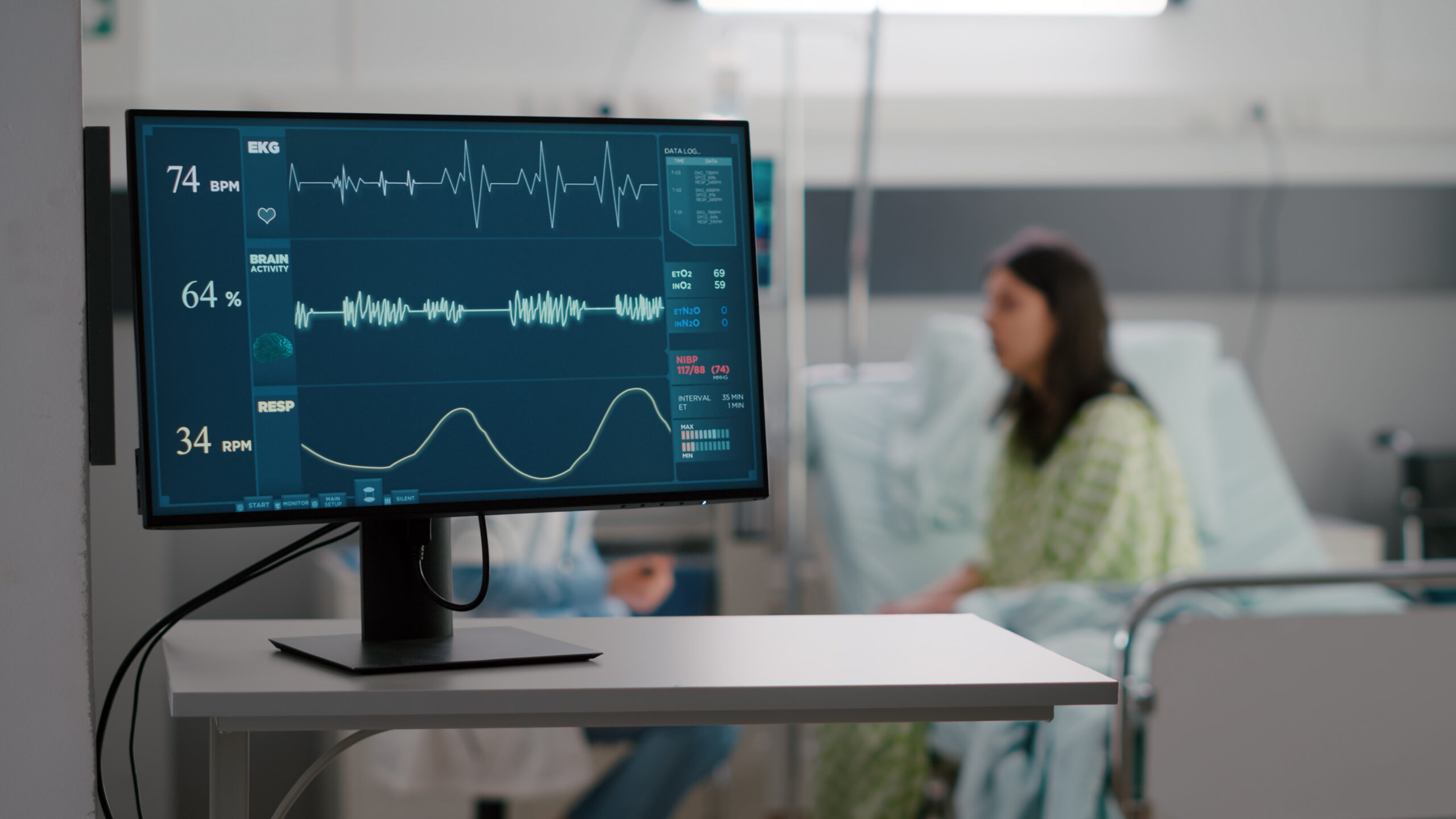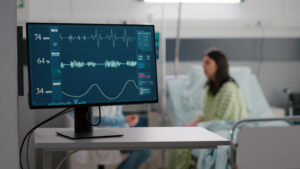
Heart disease is one of the major concerns for individuals all over the world. With a change in lifestyle and a high level of stress, the need for better monitoring for heart disease has become a necessity for medical professionals. This is where heart monitoring solutions are being implemented in a major way. Using technology for heart monitoring has allowed doctors to keep a watchful eye on heart activities from a remote location. This has ensured that if something unusual happens in the heart, immediate action can be taken.
Today, heart monitoring is not just limited to periodic hospital visits for heart disease patients. With the help of wearable heart monitoring devices and smart technology, it is possible for heart activity to be monitored on a continuous basis. This has played a major part in the development of cardiac telehealth solutions.
Why Continuous Heart Monitoring Matters
Heart problems are not normally sudden occurrences that come without prior signs or symptoms. Usually, the first signs of a heart condition develop gradually with unusual patterns of heartbeat or changes in the patterns of cardiovascular activities. The only issue is that the signs are not normally evident during a short test.
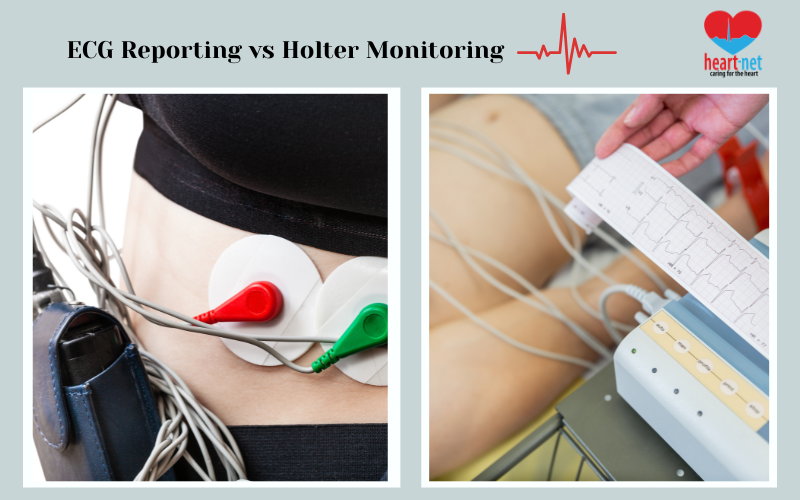
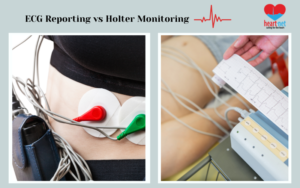
The traditional ECG test is normally beneficial since it offers some insight into what is going on with the patient’s heart. However, the test only offers an analysis of the heartbeat for a short time. Therefore, any unusual activities that take place outside the test period are not normally noticed. The continuous monitoring system changes the way doctors analyze their patients’ heart activities.
The continuous monitoring system offers a deeper insight into the patient’s cardiovascular activities. Therefore, unusual patterns are normally noticed earlier. The earlier unusual patterns of heartbeat are noticed, the earlier treatment can be initiated. This helps to prevent complications that would have resulted had the patient not been treated immediately.
For patients who are already suffering from heart conditions, continuous monitoring offers a sense of confidence. The patients feel comfortable knowing that their condition is being monitored by experts.
The Technology Powering Modern Cardiac Monitoring
In recent times, there have been tremendous developments in digital health technology. The devices currently used for cardiac monitoring are more advanced, smaller, more comfortable, and more efficient compared to the medical devices used in the past.
Wearable devices, like a wearable ECG device or a sensor patch, can be used for recording heart signals throughout the day. These devices are useful for collecting detailed information about heart rate, rhythm, and electrical signals. This information is then sent via a network of safe channels for analysis on a digital platform.
This system is useful in creating cardiac telehealth solutions. It helps medical practitioners analyze patient information without having to visit hospitals frequently. In addition, many platforms are designed with smart software that can detect unusual patterns and alert medical staff accordingly.
Efficiency is another positive attribute of cardiac telehealth platforms. Medical practitioners can track several patients at a time, as they are able to receive information via a centralized platform. It is not necessary for patients to wait until their heart problems aggravate; medical attention can be sought at any time.
A More Comfortable Experience for Patients
The comfort of the patient is another key aspect that has been taken into account in the development of cardiac monitoring systems. In the past, the systems used were quite cumbersome for the patient. This meant that the patient had to stay in a hospital for the monitoring period. This was quite inconvenient for the patient since it disrupted their routine.
The modern systems have been designed for seamless integration into the routine of the patient. This has been made possible by the development of lightweight systems that allow the patient to move freely while their heart is being monitored. This means that the patient can carry on with their routine activities while the data is being recorded.
Expanding Access to Cardiac Care
Another significant advantage of employing a remote monitoring system is that it provides access to specialized healthcare services. In many places, for example, cardiac care facilities are limited in rural areas, with many of these facilities being located in urban centers.
Remote cardiac monitoring bridges the distance between patients and cardiac specialists, as patients can wear a cardiac monitoring device at home, and their cardiologists can access their information remotely.
Once again, heart monitoring solutions play a significant role in extending healthcare services, as they can connect patients with cardiac specialists, thereby providing quality cardiac care services to a larger number of people.
Building a Connected Cardiac Care Ecosystem
The healthcare sector is slowly but surely shifting towards connected and data-driven healthcare. Remote monitoring technology is helping make cardiac healthcare more proactive in nature. Doctors can now identify issues and manage patients in a more efficient manner. Organizations such as Heartnet India are helping in the development and implementation of connected monitoring technology in the healthcare sector. The technology is expected to become an integral part of modern-day healthcare for patients.
Get our location: https://maps.app.goo.gl/JgdDTdGwfcG6YFbf8